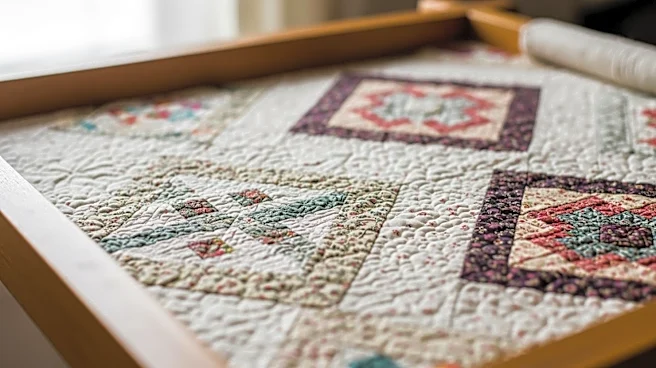





Quilting is a unique blend of art and craft that has been practiced for centuries. It involves stitching together layers of fabric to create a padded surface, serving both functional and decorative purposes. This timeless tradition has evolved over the years, reflecting cultural, social, and artistic influences from around the world. From its origins in ancient times to its modern-day resurgence, quilting continues to captivate and inspire.
The Historical Roots of Quilting
Quilting
has a rich history that dates back to ancient times. The earliest known quilted garment is depicted on a carved ivory figure of a Pharaoh from ancient Egypt's First Dynasty. This suggests that quilting was used for practical purposes, such as providing warmth and protection. In Europe, quilting became part of the needlework tradition around the fifth century, with early objects containing Egyptian cotton, indicating trade connections.
During the medieval period, quilted garments like the gambeson and arming doublet were worn under armor for added protection. These garments later evolved into the quilted doublet, a staple of European male clothing from the fourteenth to seventeenth centuries. The earliest surviving European bed quilt, the Tristan quilt, was made in late-fourteenth-century Italy and is now housed in the Victoria and Albert Museum in London.
Quilting in America: A Patchwork of Traditions
In America, quilting has been a significant part of cultural heritage since colonial times. Early American quilts were predominantly whole-cloth quilts, made from a single piece of fabric layered with batting and backing. Patchwork quilting, which involves sewing together small pieces of fabric, became popular in the late eighteenth and nineteenth centuries. This technique allowed quilters to use remnants and offcuts, making it an early example of upcycling.
African-American quilting has a distinct style characterized by bright colors, strip arrangements, and asymmetrical patterns. This tradition began with quilts made by enslaved Africans and evolved into a unique art form. The Gee's Bend quilting community in Alabama gained national recognition for their improvisational style, which has been celebrated in exhibitions across the country.
The Modern Quilting Movement
Today, quilting is experiencing a resurgence as both a hobby and an art form. Modern quilting draws inspiration from architecture, art, and design, using traditional techniques to create bold, graphic designs. The Modern Quilt Guild, with over 14,000 members worldwide, fosters this movement through workshops, webinars, and QuiltCon, an annual modern quilting conference.
Quilting remains a vibrant and evolving tradition, bridging the gap between past and present. Whether as a practical craft or a form of artistic expression, quilting continues to bring people together, celebrating creativity and community.