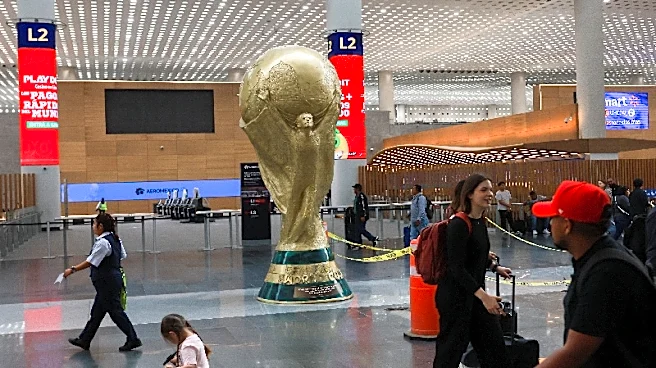








The 2026 FIFA World Cup is set to be a landmark event, hosted by Canada, Mexico, and the United States. Among the various groups, Group A stands out with its intriguing mix of teams: Mexico, South Africa, South Korea, and Czechia. This article delves into the dynamics of Group A, examining the teams, their histories, and the matches that will unfold from June 11 to 24, 2026.
Teams in Group A
Group A features a diverse set of teams, each bringing its unique strengths
and histories to the tournament. Mexico, as a co-host, is a prominent team in this group. Historically, Mexico has had a strong presence in the World Cup, and their role as hosts adds an extra layer of excitement. South Africa, another team in the group, has faced Mexico four times previously, with their most recent encounter being a 1-1 draw during the 2010 FIFA World Cup opening match.
South Korea and Czechia complete the lineup for Group A. South Korea has a history of competitive play, having faced Czechia three times, most recently in a 2016 friendly where they emerged victorious. Czechia, on the other hand, has a notable past encounter with Mexico, dating back to 2000, where they secured a win. These historical matchups set the stage for potentially thrilling games in the upcoming tournament.
Match Highlights
The matches in Group A promise to be exciting, with each team vying for a spot in the knockout stage. Mexico's match against South Africa is particularly noteworthy, as it coincides with the 16th anniversary of their 2010 World Cup clash. This historical context adds a layer of intrigue to the game, as both teams aim to advance.
South Korea's match against Czechia is another highlight, given their past encounters. The teams have met three times, with South Korea winning their last match in 2016. This history suggests a competitive game, as both teams strive to outperform each other. Additionally, Mexico's match against South Korea is significant, as they have faced each other 15 times, including two World Cup matches where Mexico emerged victorious.
Advancing to the Knockout Stage
The structure of Group A allows for the top two teams, and possibly the third-placed team, to advance to the round of 32. This setup means that every match is crucial, as teams not only compete for victory but also aim to secure enough points to move forward. The fair play score, based on yellow and red cards, serves as a tiebreaker, adding another strategic element to the games.
As the tournament progresses, the performances in Group A will be closely watched, with fans eager to see which teams will advance. The combination of historical rivalries and the stakes of advancing make Group A a focal point of the 2026 FIFA World Cup.