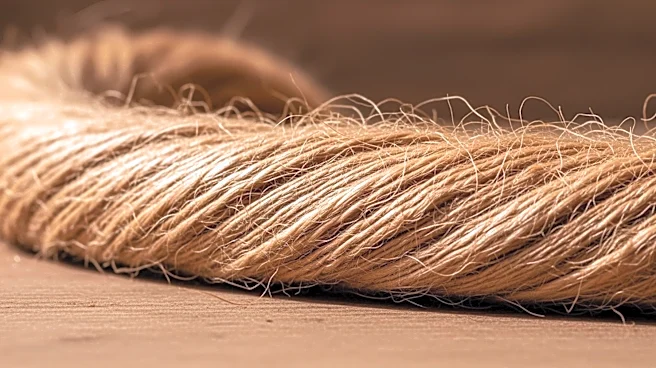







Jute, a natural fiber derived from plants in the Corchorus genus, has a rich history that spans centuries. Known for its strength and versatility, jute has played a significant role in various cultures and industries. This article traces the historical journey of jute, from its ancient uses to its modern industrial applications.
Ancient and Early Uses
Jute has been used for making textiles since the Indus Valley Civilization, dating back to the 3rd millennium BC. Historical
documents, such as the Ain-e-Akbari from 1590, indicate that villagers in India wore clothing made of jute. The fiber was also used to make ropes and twines for household and agricultural purposes.
During the British Empire, jute became an important material for military use. British jute barons grew wealthy by processing jute and selling manufactured products. The British East India Company and Dundee Jute Barons established numerous jute mills in Bengal, leading to a booming industry that surpassed the Scottish jute trade by 1895.
The Rise of the Jute Industry
The modern jute industry began in the 19th century, with Dundee, Scotland, becoming a global center for jute processing. The discovery that treating jute with whale oil made it machine-processable led to a significant expansion of the industry. Jute was used in various industries, including fishing, construction, and art.
By the early 20th century, Bengal had become the world's largest producer of jute, with more than a billion jute sandbags exported during World War I. The industry continued to thrive, with jute being used for packaging, textiles, and other applications. However, the rise of synthetic fibers in the mid-20th century led to a decline in jute's popularity.
Jute in the Modern Era
In recent years, jute has experienced a resurgence as an environmentally friendly alternative to plastic. As countries phase out single-use plastics, jute products are gaining popularity for their sustainability and biodegradability. Jute is now used in a wide range of applications, from shopping bags to high-performance technical textiles.
Bangladesh and India remain the primary producers of jute, with Bangladesh being the largest exporter. The Ganges Delta, with its fertile soil and favorable climate, continues to be the center of jute cultivation. As global demand for sustainable materials grows, jute's historical significance and modern applications make it a valuable resource for the future.