

Siberian Huskies are known for their striking appearance and energetic demeanor, but their physical characteristics are specifically adapted for survival in harsh climates. Originating from the Siberian Arctic, these dogs have evolved to withstand extreme cold and thrive in challenging environments. This article explores the unique physical traits of Siberian Huskies that make them well-suited for life in the Arctic.
The Double Coat: A Key to Survival
One of the most distinctive features
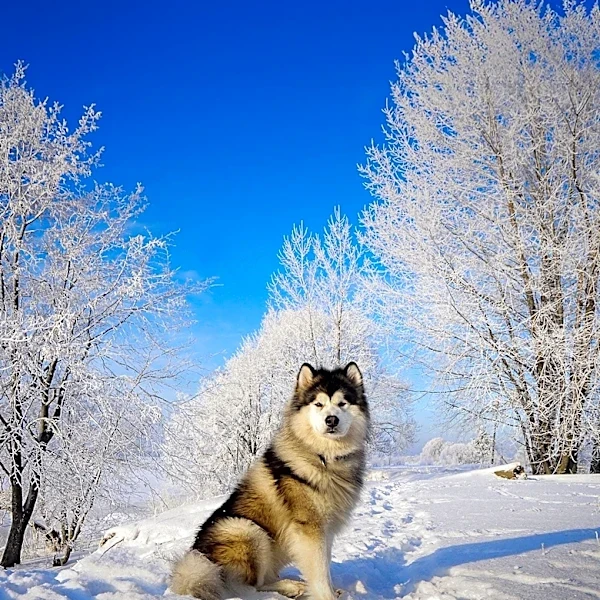
of the Siberian Husky is its thick double coat, which is crucial for survival in the Arctic. The coat consists of two layers: a dense, finely wavy undercoat and a longer topcoat of thicker, straight guard hairs. This combination provides excellent insulation against the cold, allowing Siberian Huskies to endure temperatures as low as -60°F.
The undercoat is often absent during shedding, which occurs twice a year. This seasonal shedding helps the breed adapt to changing temperatures, with the winter coat providing warmth and the summer coat reflecting heat. The coat's ability to regulate temperature is a testament to the breed's adaptability and resilience in extreme climates.
Physical Traits for Arctic Life
Siberian Huskies are medium-sized dogs with a compact and muscular build, designed for endurance and agility. Their erect triangular ears and distinctive facial markings are not only aesthetically pleasing but also functional. The ears help minimize heat loss, while the facial markings provide protection against the sun's glare on snow.
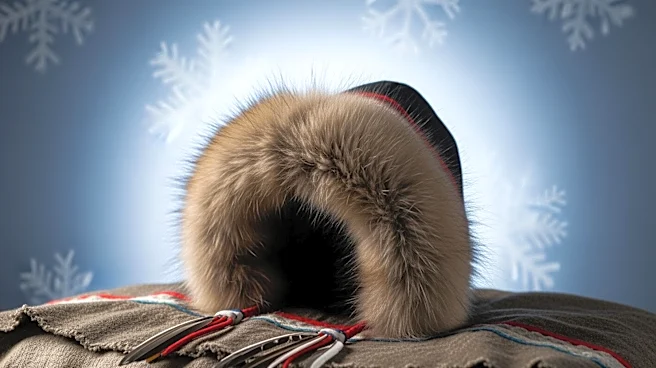
The breed's heavily furred tail is another adaptation for cold climates. Siberian Huskies often curl up with their tails over their faces and noses to provide additional warmth, a behavior known as the "Siberian Swirl." This natural instinct helps them conserve heat and protect vital areas from frostbite.
Adaptability Beyond the Arctic
While Siberian Huskies are built for the Arctic, their physical traits also make them adaptable to various environments. Their endurance and agility have made them popular in sled dog racing and recreational mushing, where they excel in pulling sleds over long distances. The breed's friendly and gentle nature has also contributed to its popularity as a house pet.
Siberian Huskies are a testament to the power of natural selection and adaptation. Their physical characteristics are a reflection of their historical role as working dogs in the Arctic, and their ability to thrive in diverse environments speaks to their versatility. As a breed, Siberian Huskies continue to captivate and inspire, embodying the spirit of resilience and endurance.