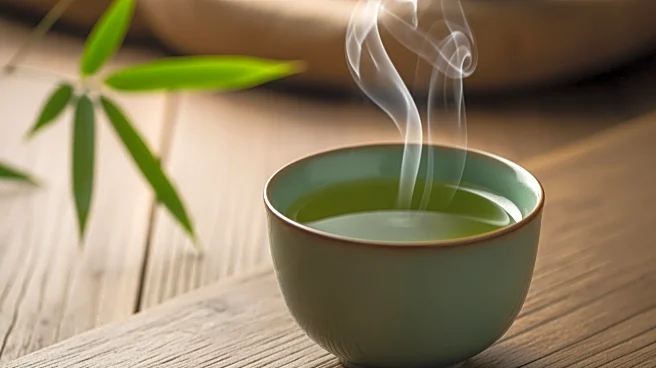

Green tea is more than just a beverage in East Asia; it is a cultural symbol with deep-rooted significance. From traditional ceremonies to everyday life, green tea plays a vital role in the social and
cultural fabric of countries like China, Japan, and Korea. This article explores the cultural impact of green tea in these regions.
Green Tea in Chinese Culture
In China, green tea has been a part of daily life for centuries. It is not only consumed for its refreshing taste but also for its perceived health benefits. The Chinese have long believed in the medicinal properties of green tea, using it to promote digestion and improve mental alertness. The practice of drinking tea is deeply embedded in Chinese culture, with tea houses serving as social hubs where people gather to relax and converse.
Tea ceremonies in China are elaborate affairs, emphasizing the art of tea preparation and presentation. These ceremonies are a testament to the cultural importance of tea, showcasing the skill and precision involved in brewing the perfect cup. Green tea, with its delicate flavors and aromas, is often the centerpiece of these ceremonies.
The Japanese Tea Ceremony
In Japan, the tea ceremony, or chanoyu, is a highly ritualized practice centered around the preparation and consumption of matcha, a powdered form of green tea. This ceremony is not just about drinking tea; it is a meditative experience that embodies the principles of harmony, respect, purity, and tranquility.
The Japanese tea ceremony is a reflection of the country's cultural values, emphasizing mindfulness and the appreciation of simple beauty. Participants engage in a series of carefully choreographed movements, each with its own symbolic meaning. The ceremony is a way to connect with others and find peace in the present moment.
Green Tea in Korean Traditions
In Korea, green tea, known as nokcha, is an integral part of traditional ceremonies and rituals. It is often served during ancestral rites and religious ceremonies, symbolizing respect and reverence for one's ancestors. The Korean tea ceremony, or darye, is a simpler affair compared to its Japanese counterpart, focusing on the enjoyment of tea and the company of others.
Korean green tea is often blended with other ingredients, such as roasted brown rice, to create unique flavors. This practice reflects the Korean approach to tea, which values innovation and creativity. Green tea is also a popular beverage in modern Korean society, enjoyed for its refreshing taste and potential health benefits.
Green tea's cultural significance in East Asia is a testament to its enduring appeal. As a symbol of tradition and social connection, green tea continues to be cherished across the region, bringing people together in the spirit of harmony and appreciation.