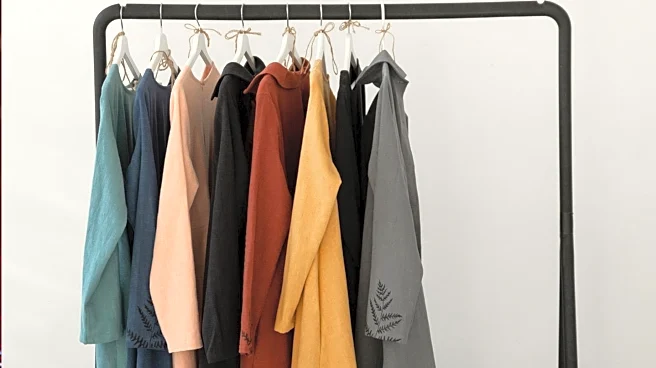



Slow fashion is a concept that has emerged as a counter-movement to the fast-paced, trend-driven world of fast fashion. It advocates for a more thoughtful and sustainable approach to clothing production and consumption, emphasizing quality over quantity and encouraging consumers to make more conscious choices.
Understanding Slow Fashion
The slow fashion movement draws inspiration from the Slow Food Movement, which promotes the enjoyment of food with awareness and responsibility.
Similarly, slow fashion encourages a more deliberate approach to clothing, focusing on the entire lifecycle of a garment from production to disposal. This involves using eco-friendly materials, supporting local artisans, and ensuring fair labor practices.
Slow fashion challenges the traditional fashion model by prioritizing the quality and longevity of garments. It encourages consumers to invest in timeless pieces that can be worn for years, rather than following fleeting trends. This approach not only reduces waste but also fosters a deeper connection between consumers and their clothing.
The Impact of Slow Fashion
Slow fashion has the potential to significantly reduce the environmental impact of the fashion industry. By promoting sustainable production methods and reducing the demand for new clothing, it helps decrease the industry's carbon footprint. Additionally, slow fashion supports ethical labor practices, ensuring that workers are treated fairly and work in safe conditions.
The movement also encourages transparency within the fashion industry, with many slow fashion brands emphasizing the importance of knowing where and how their products are made. This transparency allows consumers to make more informed choices and supports brands that align with their values.
Challenges and Opportunities
Despite its benefits, slow fashion faces challenges in gaining widespread adoption. The higher costs associated with sustainable production can be a barrier for both consumers and brands. However, as awareness of the environmental and social impacts of fast fashion grows, more consumers are willing to invest in quality, sustainable clothing.
The slow fashion movement continues to gain momentum as more brands and consumers embrace its principles. By prioritizing sustainability and ethics, slow fashion offers a viable alternative to the fast fashion model, paving the way for a more responsible and transparent fashion industry. As the movement grows, it has the potential to reshape the fashion landscape, promoting a more sustainable and ethical approach to clothing production and consumption.