
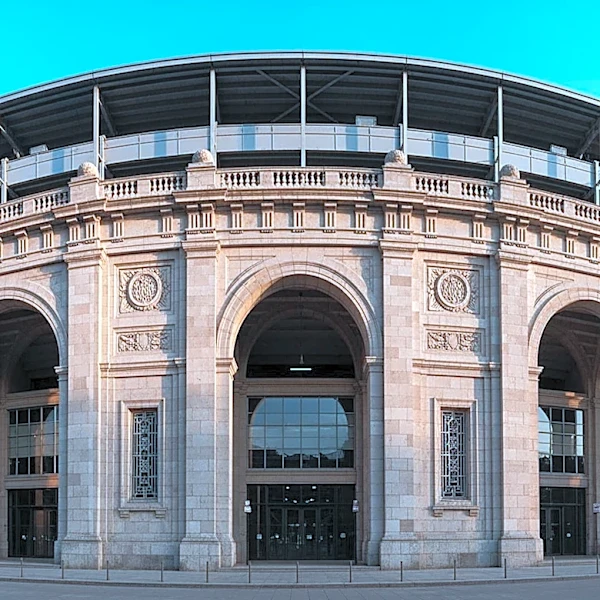
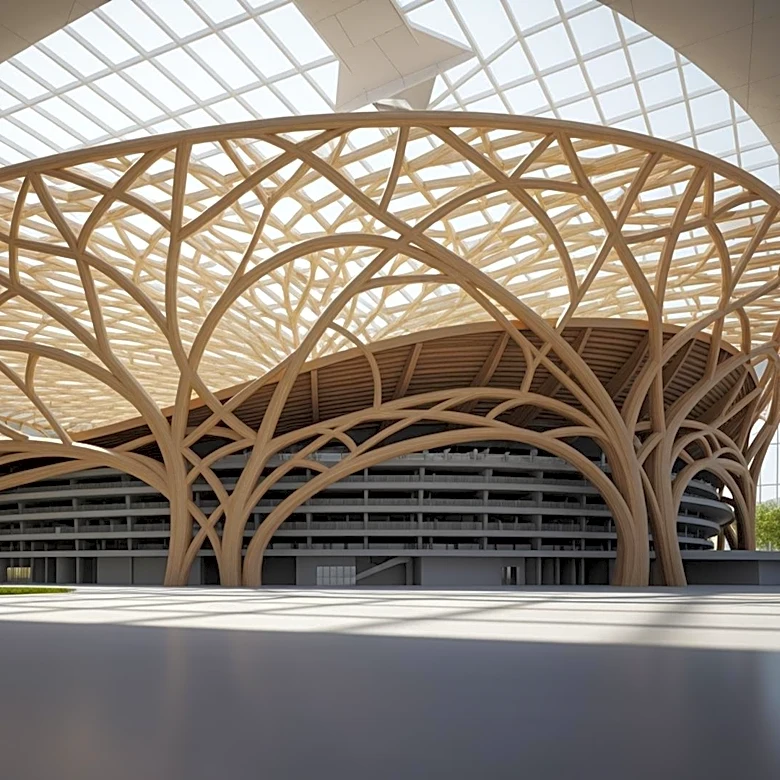
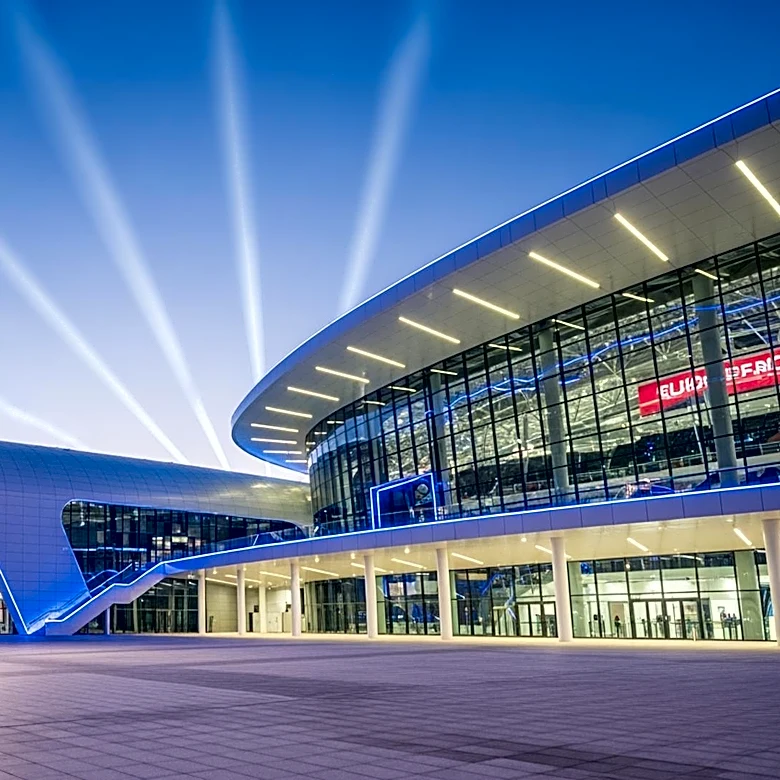



Jeonju World Cup Stadium has played a pivotal role in the world of international football since its inception. Located in Jeonju, South Korea, this stadium was specifically constructed for the 2002 FIFA World Cup, a landmark event that brought global attention to the region. With a seating capacity of 34,207, the stadium has hosted numerous significant matches, solidifying its status as a key venue in international sports.
2002 FIFA World Cup
The 2002 FIFA World Cup was
a historic event for South Korea, as it was co-hosted with Japan. Jeonju World Cup Stadium was one of the venues selected to host matches during this prestigious tournament. The stadium hosted three matches, including two group stage matches and one round of 16 match. These games were crucial in determining the progression of teams in the tournament and showcased the stadium's ability to accommodate large crowds and high-stakes events.
The matches held at Jeonju World Cup Stadium included Spain vs. Paraguay, Portugal vs. Poland, and Mexico vs. the United States. Each game attracted international attention and brought fans from around the world to Jeonju, highlighting the stadium's role in facilitating global sports interactions.
Continued International Presence
Beyond the 2002 FIFA World Cup, Jeonju World Cup Stadium has continued to host significant international football events. In 2011, the stadium was the venue for the final match of the AFC Champions League, further demonstrating its capacity to host high-profile games. This event attracted fans and teams from across Asia, reinforcing the stadium's reputation as a premier football venue.
The stadium's ongoing use by Jeonbuk Hyundai Motors, a leading football club in South Korea, ensures that it remains a central hub for football in the region. The club's participation in international competitions, such as the AFC Champions League, brings additional international matches to the stadium, maintaining its status as a key player in global football.
Impact on Jeonju and Beyond
The presence of Jeonju World Cup Stadium has had a lasting impact on the city of Jeonju and the surrounding region. The stadium has not only brought international attention to Jeonju but has also contributed to the local economy through tourism and sports-related activities. The influx of visitors during international events provides economic benefits and promotes cultural exchange.
As a venue that continues to host international football matches, Jeonju World Cup Stadium remains a vital part of the global sports landscape. Its role in the 2002 FIFA World Cup and subsequent events has solidified its reputation as a premier destination for football fans and players alike.