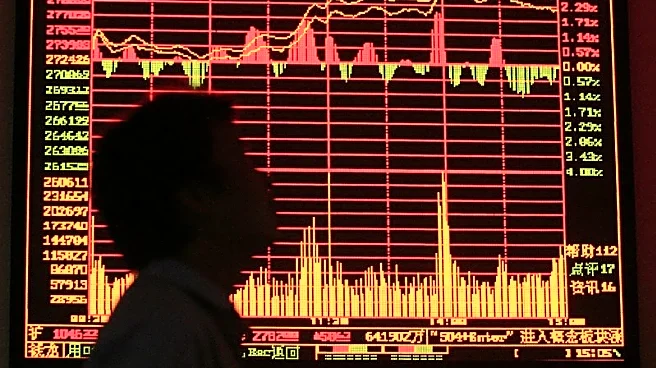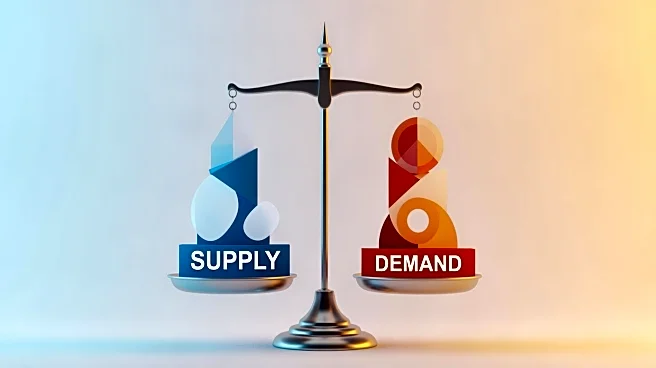




Financial markets are essential components of the global economy, providing venues for trading various financial securities and derivatives. These markets facilitate the exchange of assets, enabling investors and corporations to raise capital and manage risks. Understanding the different types of financial markets is crucial for anyone interested in finance or investing.
Capital Markets
Capital markets are where long-term securities such as stocks and bonds are traded.
These markets are divided into primary and secondary markets. In primary markets, newly issued securities are sold to investors, often through initial public offerings (IPOs). Secondary markets, on the other hand, allow investors to buy and sell existing securities, providing liquidity and enabling price discovery.
Stock markets, a subset of capital markets, are platforms where shares of publicly traded companies are bought and sold. Bond markets, another subset, involve the trading of debt securities issued by corporations and governments. These markets play a vital role in channeling funds from savers to entities that need capital for growth and development.
Money Markets
Money markets deal with short-term debt instruments and provide a mechanism for short-term borrowing and lending. These markets are characterized by high liquidity and low risk, making them attractive for investors seeking to park their funds temporarily. Instruments traded in money markets include treasury bills, commercial paper, and certificates of deposit.
Money markets are crucial for managing short-term cash needs and ensuring that businesses and governments have access to funds for operational expenses. They also help stabilize the financial system by providing a venue for managing short-term interest rates and liquidity.
Derivatives and Commodity Markets
Derivatives markets involve trading financial instruments whose value is derived from underlying assets such as stocks, bonds, or commodities. These markets offer tools for managing financial risk, allowing investors to hedge against price fluctuations. Common derivatives include options, futures, and swaps.
Commodity markets facilitate the trading of raw materials and primary products like oil, gold, and agricultural goods. These markets are divided into soft commodities, which are grown, and hard commodities, which are mined or extracted. Commodity markets are essential for price discovery and risk management, impacting global trade and economic stability.
Understanding the various types of financial markets and their functions is crucial for navigating the complex world of finance. Each market serves a unique purpose, contributing to the overall efficiency and stability of the financial system.