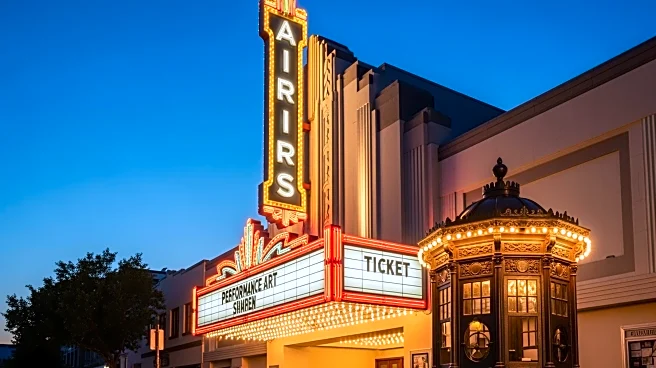




The Lyric Baltimore, a prominent music venue in Maryland, has a rich history that reflects its evolution over more than a century. Originally modeled after the Concertgebouw in Amsterdam, this venue has undergone several transformations, both in name and function, since its inauguration in 1894. This article explores the historical journey of The Lyric Baltimore, highlighting key milestones and changes that have shaped its legacy.
Early Beginnings and Initial Purpose
The Lyric Baltimore
was inaugurated on October 31, 1894, with a performance by the Boston Symphony Orchestra and Australian opera singer Nellie Melba. Initially known as The Music Hall, the venue was designed to serve as a concert hall, drawing inspiration from the renowned Concertgebouw in Amsterdam. This architectural choice set the stage for The Lyric Baltimore to become a significant cultural hub in Baltimore, Maryland.
In 1904, the venue expanded its offerings by hosting touring performances by the Metropolitan Opera. This marked the beginning of its association with opera, a relationship that would continue to evolve over the decades. The early 20th century saw the venue hosting notable performances, including appearances by the famous opera tenor Enrico Caruso.
Transformations and Renaming
The Lyric Baltimore underwent its first major transformation in 1909 when it was renamed the Lyric Opera House. This change coincided with the purchase of the building by Otto Kahn on behalf of the Metropolitan Opera, solidifying its role as a premier opera venue. The venue continued to host a variety of performances, including those by the Baltimore Symphony Orchestra, which performed there until 1982.
In 2010, the venue was renamed The Patricia & Arthur Modell Performing Arts Center at the Lyric, following a generous donation from Art Modell and his wife. This name change reflected the ongoing support and investment in the arts by the Modell family. However, in 2021, the name reverted to Lyric Baltimore, marking another chapter in its storied history.
Recent Developments and Legacy
The Lyric Baltimore has continued to adapt and evolve in recent years. After the Baltimore Opera Company ceased operations in 2009, the venue became home to Lyric Opera Baltimore from 2011 to 2017. This period saw the continuation of opera performances, maintaining the venue's long-standing tradition of supporting the operatic arts.
Today, The Lyric Baltimore stands as a testament to the enduring appeal of live performance and cultural enrichment. Its history is a reflection of the changing landscape of the performing arts in Baltimore, showcasing the venue's ability to adapt and thrive through various challenges and transformations. As it continues to host a diverse array of events, The Lyric Baltimore remains a vital part of the city's cultural fabric, honoring its past while looking toward the future.