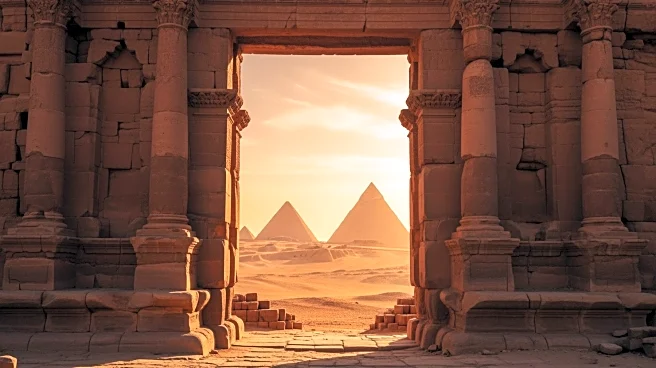




Egypt's tourism industry has undergone significant transformations over the decades, evolving from a modest sector to a major economic powerhouse. This article explores the historical development of tourism in Egypt, highlighting key milestones and changes from the 1950s to the present.
Early Beginnings and Growth
The roots of Egypt's tourism industry can be traced back to the early 1950s when the country attracted a modest number of visitors. In 1952, only 0.1 million tourists
visited Egypt, reflecting the nascent stage of the industry. However, the sector began to gain momentum in the mid-1970s, marking a turning point in its development.
In 1975, Egypt eased visa restrictions for European and North American countries, opening its doors to a broader international audience. This policy change, coupled with the establishment of embassies in new nations, laid the foundation for a burgeoning tourism industry. By 1981, tourist arrivals had increased to 1.8 million, signaling the sector's growing importance.
Government Initiatives and Expansion
The Egyptian government recognized the potential of tourism as a key economic driver and made it a central focus of its development plans. In 1976, tourism was prioritized in the Government's Five Year Plan, with 12% of the budget allocated to upgrading state-owned hotels and improving infrastructure.
Between 1979 and 1981, Egypt sought expertise from Turkey to enhance its tourism offerings. This collaboration led to the establishment of new colleges offering hospitality courses, further professionalizing the industry. By 2000, tourist arrivals had surged to 5.5 million, reflecting the success of these initiatives.
Modern Challenges and Resilience
The 21st century has brought both opportunities and challenges for Egypt's tourism industry. The sector reached a peak in 2010 with 14.7 million visitors, but political instability and security concerns have since posed significant hurdles. The 2011 Egyptian revolution and subsequent protests led to a sharp decline in tourist numbers, impacting businesses reliant on tourism.
Despite these challenges, the industry has demonstrated resilience. Efforts to restore stability and confidence among tourists have been somewhat successful, particularly in the Red Sea resorts. The government's focus on security and infrastructure improvements, along with marketing campaigns, has helped the sector recover and regain its footing.
In summary, Egypt's tourism industry has evolved significantly over the decades, driven by strategic government initiatives and international collaboration. While challenges remain, the sector's resilience and adaptability offer hope for continued growth and development.