




The Chrysler Concorde, a full-size sedan produced from 1992 to 2004, represents a significant chapter in automotive design and innovation. As one of Chrysler's original LH platform models, the Concorde was a testament to the brand's commitment to modernizing its lineup and appealing to a broader audience. This article delves into the design evolution and technological advancements that defined the Concorde's journey from its inception to its retirement.
The Birth of a New Design Philosophy
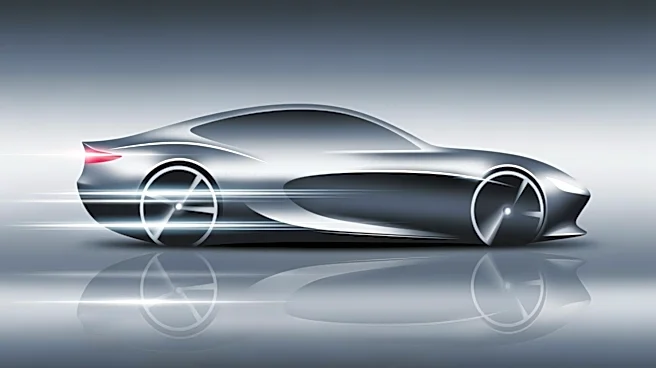
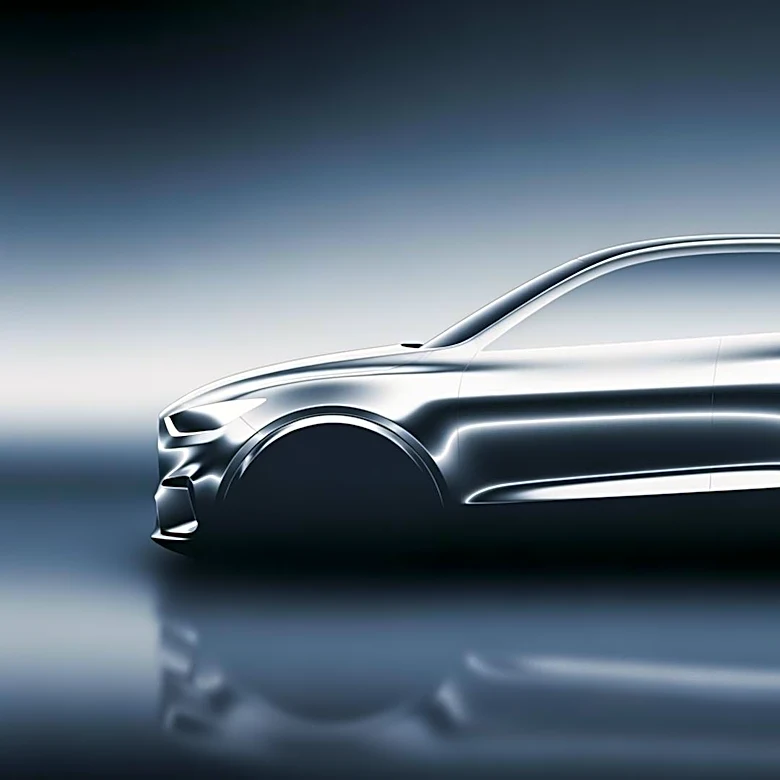
The design of the Chrysler Concorde can be traced back to 1986 when designer Kevin Verduyn completed the initial exterior concept of a new aerodynamic sedan called the Navajo. Although the Navajo never advanced beyond the clay model stage, its design laid the groundwork for what would become the Concorde. The acquisition of Lamborghini by Chrysler further influenced the design, leading to the creation of the Lamborghini Portofino concept, which showcased a revolutionary "cab-forward" design. This design philosophy, characterized by a long windshield and short overhangs, allowed for a larger passenger cabin and became a defining feature of the Concorde.
The Concorde's design process continued to evolve with the influence of the Eagle Premier, a vehicle that Chrysler acquired through its purchase of American Motors Corporation. The Premier's longitudinal engine layout and front suspension geometry were incorporated into the Concorde, resulting in a flexible architecture capable of supporting both front and rear-wheel drive configurations. This adaptability was crucial in refining the Concorde's chassis and overall design.
Technological Advancements and Features
The Chrysler Concorde was not just about aesthetics; it was also a showcase of technological advancements. The introduction of the 3.5-liter engine, developed under the leadership of François Castaing, marked a significant milestone. This engine featured single overhead camshaft (SOHC) cylinder heads with four valves per cylinder, a testament to Chrysler's commitment to engineering excellence. The Concorde's sleek aerodynamic shape contributed to a low drag coefficient, reducing wind noise and enhancing fuel efficiency.
Inside, the Concorde offered a range of features that catered to both comfort and convenience. Upscale models boasted leather-trimmed seats, steering wheels, and shift knobs, while options like rear-seat vents, power seats, and advanced sound systems added to the vehicle's appeal. Safety was also a priority, with standard dual airbags and optional anti-lock brakes and traction control.
The Legacy of the Chrysler Concorde
The Chrysler Concorde's journey came to an end in 2004, but its legacy lives on. The vehicle's design and technological innovations set a new standard for full-size sedans, influencing future models and solidifying Chrysler's reputation for innovation. The Concorde's cab-forward design, advanced engine technology, and commitment to passenger comfort and safety left a lasting impact on the automotive industry.
As we reflect on the Concorde's evolution, it is clear that this vehicle was more than just a mode of transportation; it was a symbol of Chrysler's dedication to pushing the boundaries of design and engineering. The Concorde's story is a reminder of the power of innovation and the enduring legacy of a vehicle that redefined what a full-size sedan could be.