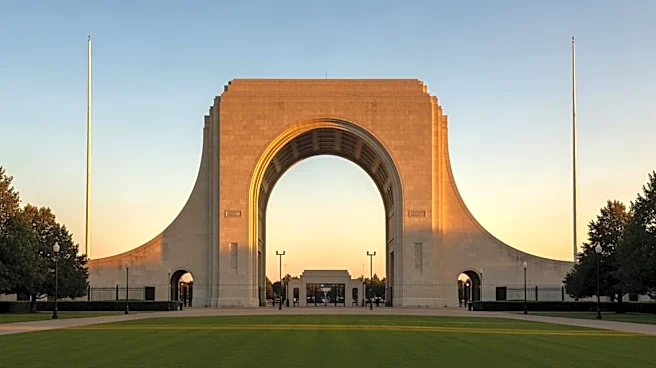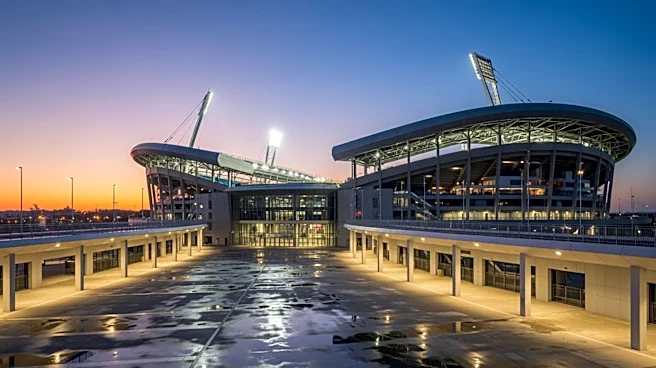








Estadio Centenario in Montevideo, Uruguay, is more than just a sports venue; it is a powerful symbol of national pride and identity. Built to commemorate the centennial of Uruguay's constitution, the stadium has played a central role in the country's cultural and sporting life. This article explores how Estadio Centenario embodies Uruguayan national pride and its significance in the country's history.
A Celebration of National Heritage
The construction of Estadio Centenario was a monumental
project undertaken to celebrate the 100th anniversary of Uruguay's constitution. This ambitious endeavor was a reflection of the country's desire to honor its past and showcase its achievements on the world stage. The stadium's name itself, Centenario, is a nod to this important milestone in Uruguay's history.
Estadio Centenario was designed to be a grand and imposing structure, capable of hosting large crowds and significant events. Its construction was a source of national pride, as it demonstrated Uruguay's ability to undertake and complete such a large-scale project. The stadium quickly became a symbol of the country's progress and aspirations.
The Heart of Uruguayan Soccer
As Uruguay's national stadium, Estadio Centenario has been at the center of the country's soccer culture. It was the venue for the final match of the inaugural 1930 FIFA World Cup, where Uruguay claimed victory over Argentina. This historic win was a moment of immense national pride, and Estadio Centenario was the stage on which it unfolded.
The stadium has continued to host important matches and events, reinforcing its status as a cornerstone of Uruguayan soccer. For many Uruguayans, Estadio Centenario is more than just a place to watch soccer; it is a symbol of their country's rich sporting heritage and its ongoing passion for the game.
A Legacy of National Significance
Estadio Centenario's significance extends beyond its role as a sports venue. It is a place where Uruguayans come together to celebrate their shared history and achievements. The stadium has hosted numerous events that have brought the nation together, fostering a sense of unity and pride.
Looking to the future, Estadio Centenario will play a key role in the centennial celebration of the FIFA World Cup in 2030. This event will be an opportunity to reflect on the stadium's historical importance and its enduring impact on Uruguayan culture. As the country prepares to host this milestone event, Estadio Centenario remains a powerful symbol of national pride and identity.