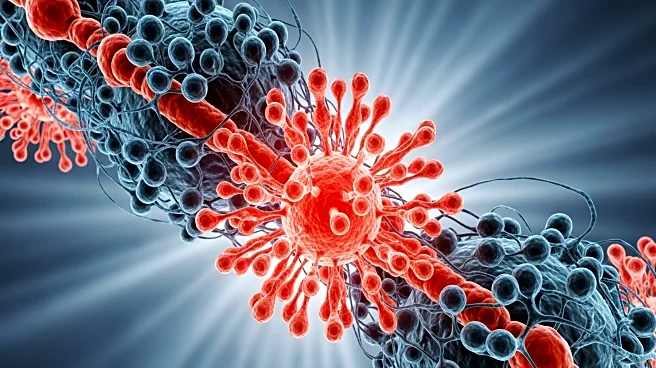




Psoriasis is not just a skin condition; it is a complex autoimmune disease that involves the immune system. The immune system plays a crucial role in the development and progression of psoriasis. Understanding how the immune system contributes to psoriasis can help in developing effective treatments and managing the condition more effectively.
Immune System Activation
The pathogenesis of psoriasis begins with an initiation phase, where an event such as skin trauma, infection,
or drug exposure activates the immune system. This activation leads to a maintenance phase, characterized by the chronic progression of the disease. In psoriasis, immune cells such as dendritic cells, macrophages, and T cells move from the dermis to the epidermis, where they secrete inflammatory chemical signals known as cytokines.
These cytokines, including interleukin-36γ, tumor necrosis factor-α, interleukin-1β, interleukin-6, and interleukin-22, stimulate keratinocytes to proliferate rapidly. This results in the excessive and rapid growth of the epidermal layer of the skin, leading to the formation of the characteristic scaly patches seen in psoriasis.
Genetic and Environmental Factors
Psoriasis is generally thought to be a genetic disease triggered by environmental factors. Studies have shown that if one twin has psoriasis, the other twin is three times more likely to be affected if they are identical. This suggests a strong genetic component in the development of psoriasis. However, environmental factors such as infections, psychological stress, and certain medications can also play a significant role in triggering the disease.
The immune system's response to these triggers is what ultimately leads to the symptoms of psoriasis. The involvement of the immune system in psoriasis highlights the complexity of the disease and the need for targeted treatments that address the underlying immune mechanisms.
Treatment Implications
Understanding the immune system's role in psoriasis has significant implications for treatment. Traditional treatments for psoriasis have focused on managing symptoms, but newer therapies target specific immune pathways involved in the disease. Biologic therapies, for example, are designed to target specific cytokines or immune cells involved in the inflammatory process.
These targeted treatments have shown promise in managing psoriasis more effectively and with fewer side effects than traditional therapies. By focusing on the immune system's role in psoriasis, researchers and healthcare providers can develop more effective strategies for managing this complex condition.