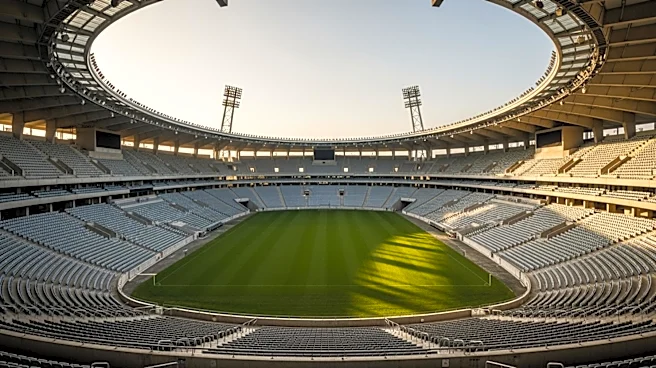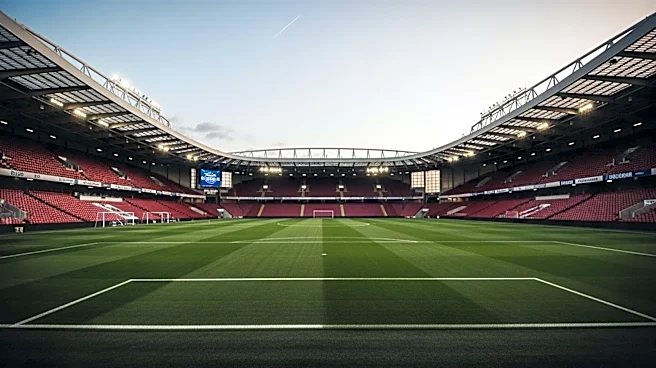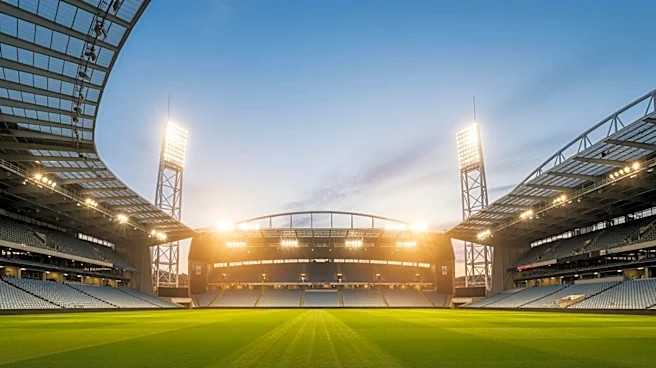


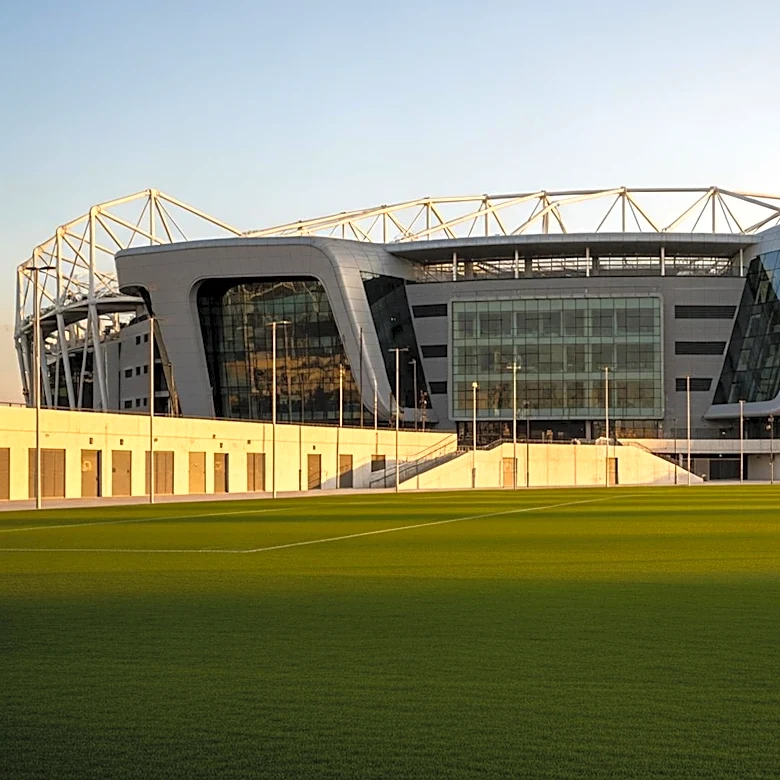


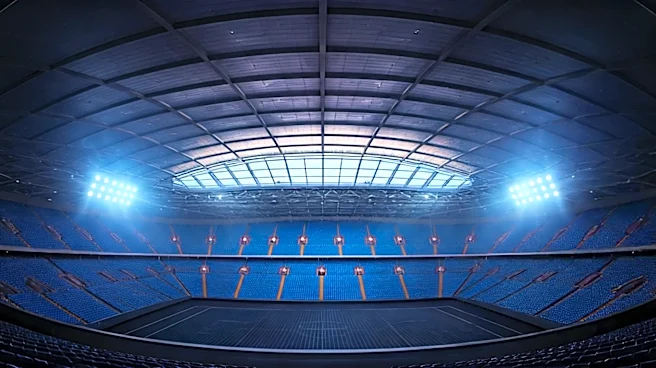

Westfalenstadion, located in Dortmund, Germany, is a stadium steeped in history and significance. From its inception in the early 1970s to its role in the 1974 FIFA World Cup, the stadium has been a central figure in the world of football. This article provides a historical overview of Westfalenstadion, exploring its origins, construction, and impact on the sport.
Origins and Construction
The need for a new stadium in Dortmund arose in the 1960s, as the traditional ground
of Borussia Dortmund, the Stadion Rote Erde, was deemed too small for the increasing number of supporters. The city of Dortmund faced financial constraints, and federal institutions were initially unwilling to assist in funding a new stadium. However, in 1971, Dortmund was selected to replace Cologne as a host city for the 1974 FIFA World Cup, which provided the necessary funds to construct a new stadium.
The construction of Westfalenstadion began with a focus on cost-effectiveness, resulting in a design that utilized pre-fabricated concrete sections. The stadium was completed with a capacity of 54,000 spectators, making it one of the largest in Germany at the time. The city of Dortmund, initially burdened with the financial responsibility, quickly profited from the stadium's high revenues, thanks to the influx of fans and international attention.
Role in the 1974 FIFA World Cup
Westfalenstadion played a significant role in the 1974 FIFA World Cup, hosting three group stage games and one final group game. The stadium's modern facilities and large capacity made it an ideal location for these important matches, providing a vibrant atmosphere for both players and fans.
One of the most notable matches held at Westfalenstadion was the Group 2 match between Scotland and Zaire, marking the first time a Sub-Saharan African country played in a FIFA World Cup game. This match, along with others hosted at the stadium, showcased the global reach of the World Cup and the diverse range of teams participating in the tournament.
Legacy and Impact
The successful hosting of the 1974 FIFA World Cup matches at Westfalenstadion solidified its reputation as a premier football venue in Germany. The stadium has since undergone several expansions and renovations, increasing its capacity and modernizing its facilities to accommodate the growing number of fans and events.
Today, Westfalenstadion, known as Signal Iduna Park for sponsorship reasons, remains the home of Borussia Dortmund and continues to be a symbol of the city's rich football heritage. Its historical significance and role in the 1974 World Cup are a testament to its importance in the world of football, and it continues to be a beloved venue for fans and players alike.