


Greece is renowned for its stunning beaches and rich history, but its tourism landscape is far more diverse than many realize. From luxurious beach resorts to ecotourism and religious pilgrimages, Greece offers a wide array of experiences for travelers. This diversity not only attracts a broad range of visitors but also supports the country's economy by catering to different interests and preferences.
Beach Resorts and Island Getaways
Greece's long coastline and numerous islands make
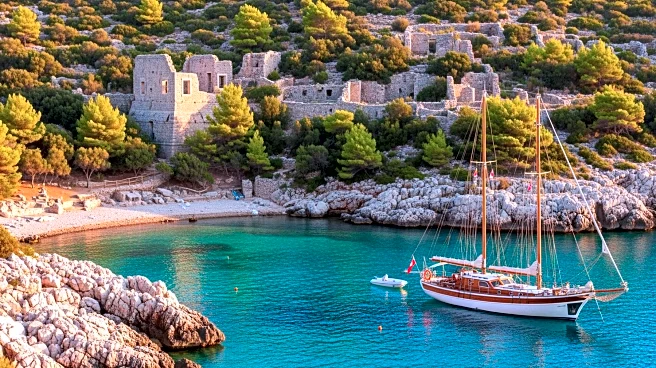
it a prime destination for beach lovers. Popular islands like Crete, Rhodes, and Mykonos are known for their beautiful beaches and vibrant nightlife, attracting millions of tourists each year. These islands offer a mix of relaxation and entertainment, with luxurious resorts, water sports, and lively beach bars.
The appeal of Greece's beach resorts extends beyond sun and sand. Many resorts offer all-inclusive packages, providing guests with a hassle-free vacation experience. The combination of natural beauty, warm hospitality, and modern amenities makes Greece's beach resorts a top choice for travelers seeking a relaxing getaway.
Ecotourism and Adventure
In recent years, Greece has become a popular destination for ecotourism and adventure travel. The country's diverse landscapes, from mountains to forests and rivers, offer ample opportunities for outdoor activities such as hiking, climbing, and canoeing. Destinations like Mount Olympus and the Vikos Gorge attract nature enthusiasts and adventure seekers looking to explore Greece's natural wonders.
Ecotourism not only provides an alternative to traditional beach vacations but also promotes environmental conservation and sustainable tourism practices. By encouraging visitors to engage with nature responsibly, Greece can preserve its natural beauty for future generations while offering unique experiences for tourists.
Cultural and Religious Tourism
Greece's rich cultural heritage and religious history make it a significant destination for cultural and religious tourism. The country is home to numerous historical sites, monasteries, and churches that attract pilgrims and history buffs alike. The monasteries of Meteora and Mount Athos are particularly popular, offering visitors a glimpse into Greece's spiritual traditions.
Cultural tourism is further enhanced by Greece's vibrant arts scene, with festivals, museums, and galleries showcasing the country's artistic achievements. These cultural attractions provide a deeper understanding of Greece's history and identity, enriching the visitor experience and supporting local communities.
In conclusion, Greece's diverse tourism landscape offers something for everyone, from beach lovers to adventure seekers and culture enthusiasts. By catering to a wide range of interests, Greece can attract a broad spectrum of visitors, ensuring the sustainability and growth of its tourism industry. This diversity not only enhances the country's appeal as a travel destination but also contributes to its economic prosperity.