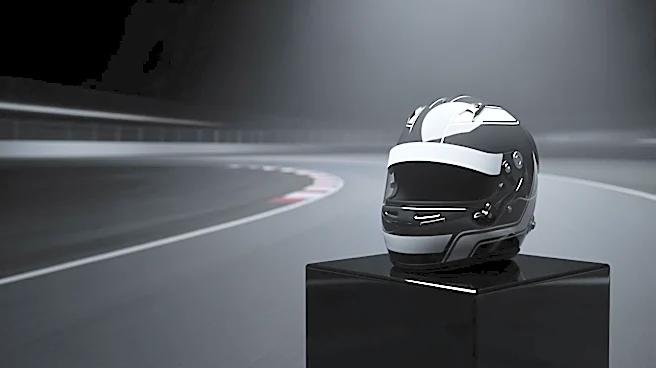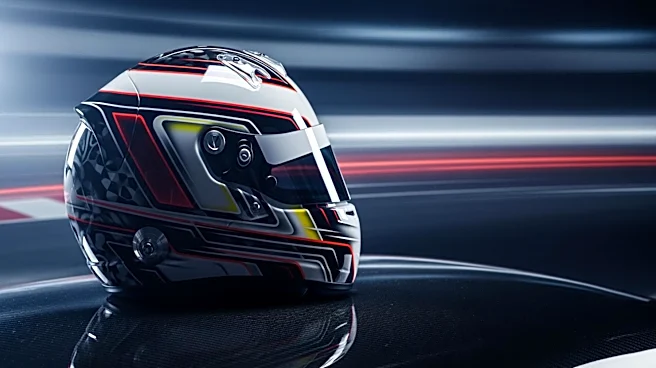


Safety is a critical aspect of drag racing, a sport known for its high speeds and powerful vehicles. Over the years, numerous safety measures and innovations have been implemented to protect drivers and spectators. This article explores the various safety advancements in drag racing, highlighting their importance and impact on the sport.
Early Safety Measures
In the early days of drag racing, safety was a growing concern as the sport gained popularity. The NHRA played a significant
role in promoting safety, emphasizing the importance of organized racing and distinguishing it from reckless street racing. The association's efforts included the creation of short films to educate the public and law enforcement about the differences between hot-rodders and street racers.
The NHRA's Drag Safari, launched in 1954, was a nationwide tour that focused on encouraging organized drag racing with an emphasis on safety. Sponsored by Mobil Oil, the Safari crew met with local officials and car clubs to explain their program and set up safe racing events. This initiative marked a significant step towards improving safety in drag racing.
Modern Safety Innovations
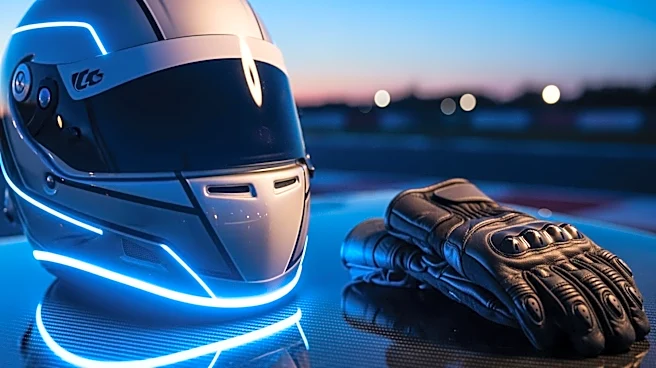
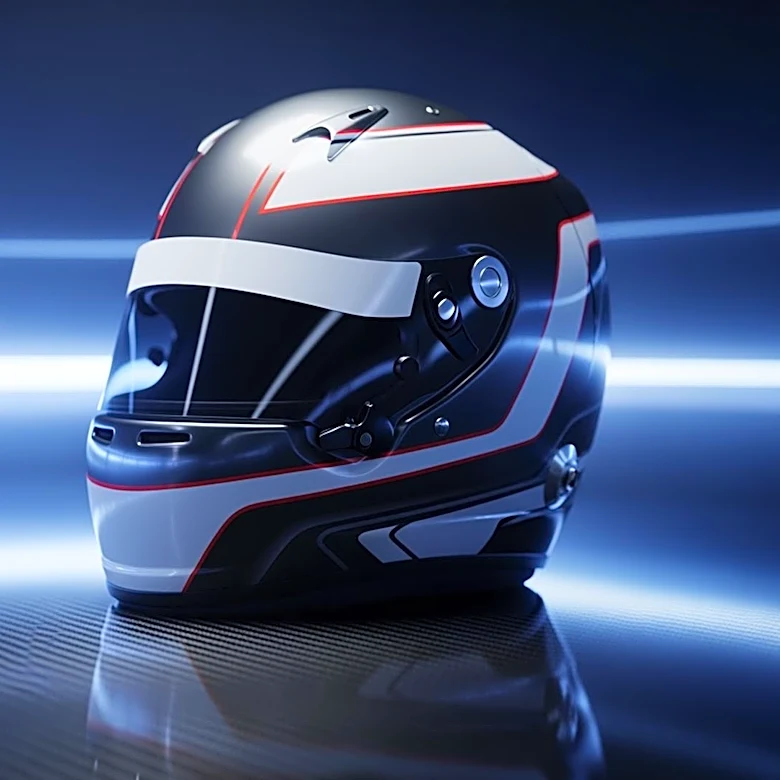
Today, drag racing features a range of safety devices and procedures designed to protect drivers and spectators. The NHRA mandates numerous safety requirements, including the use of five-point safety harnesses, fire suits, and fire extinguishing systems. These measures ensure that drivers are securely strapped in their vehicles and protected from fire hazards.
Other safety innovations include the use of fuel cells to prevent fuel leaks and explosions, the HANS device to limit head and neck movement during impacts, and titanium shields to protect drivers from debris. The NHRA also requires braking parachutes for vehicles capable of reaching high speeds, ensuring safe deceleration after a race.
Track and Facility Safety
Safety measures extend beyond the vehicles themselves, with tracks and facilities also undergoing modifications to enhance safety. Sand traps and padded retaining walls are used to slow or stop vehicles in the event of an emergency. The NHRA has also implemented sensors to automatically shut off fuel pumps and deploy parachutes in case of engine backfires or explosions.
The NHRA's Safety Safari, a crew of safety personnel, attends to fires, cleans up debris, and assists drivers in emergencies. This team has been in place since the late 1960s, significantly reducing the risk of fatal injuries. The NHRA's commitment to safety continues to drive innovations, ensuring that drag racing remains a thrilling yet safe motorsport.