
Prosocial behavior, a term that gained popularity in the 1970s, describes actions that promote positive social outcomes, such as cooperation and helping. This concept has been examined through various
lenses, including evolutionary biology, neuroscience, and cross-cultural psychology. Its roots are deeply embedded in historical traditions of religion, philosophy, and psychology, reflecting a long-standing interest in understanding human behavior that benefits others.
Historical Roots and Popularization
The term "prosocial behavior" was introduced by social scientists as an antonym for antisocial behavior. It quickly gained traction in the 1970s as researchers sought to understand actions that lead to positive social outcomes. This period marked a significant shift in psychological research, focusing on behaviors that foster cooperation and helping rather than those that disrupt social harmony.
Interest in prosocial behavior is not new; it has deep historical roots. Religious and philosophical traditions have long emphasized the importance of actions that benefit others. These traditions laid the groundwork for psychological exploration into why humans engage in behaviors that promote social welfare. The concept of prosocial behavior has evolved over time, influenced by various cultural and scientific perspectives.
Evolutionary and Neuroscientific Perspectives
Evolutionary biology has provided insights into why prosocial behavior might be advantageous for survival. Theories such as kin-selection and inclusive fitness suggest that behaviors benefiting others, especially relatives, can enhance evolutionary fitness. These theories propose that prosocial tendencies are passed down through generations, contributing to the survival and well-being of social groups.
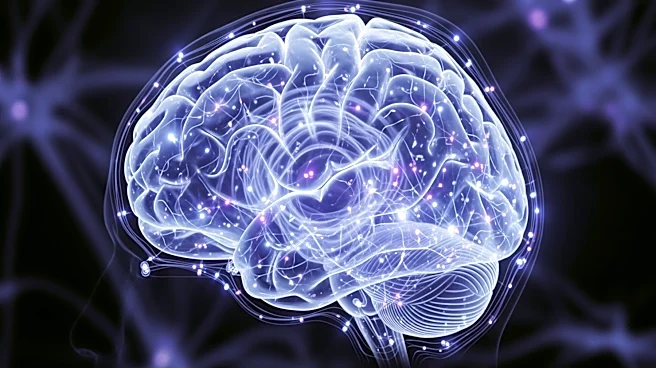
Neuroscience has also played a role in understanding prosocial behavior. Empathy, a strong motivator for prosocial actions, has deep evolutionary roots. Studies have shown that certain brain regions are activated when individuals engage in prosocial behavior, highlighting the biological underpinnings of actions that benefit others. This research underscores the complexity of prosocial behavior, suggesting it is influenced by both genetic and environmental factors.
Cross-Cultural and Educational Impacts
Cross-cultural psychology has examined how prosocial behavior varies across different societies. Cultural norms and values significantly influence the expression of prosocial behavior, with some cultures emphasizing communal actions more than others. Understanding these differences is crucial for promoting prosocial behavior in diverse settings.
In education, prosocial behavior is recognized as a powerful motivator for learning. When students see the impact of their actions on the world, they are more engaged and motivated. Educators can foster prosocial behavior by creating learning environments that connect classroom lessons to real-world applications, encouraging students to contribute positively to their communities.