


Brake ducts are a crucial component in the high-speed world of Formula One racing. These specialized parts are designed to direct airflow to the brakes, ensuring they remain cool and function optimally during a race. In a sport where every millisecond counts, the efficiency of brake ducts can significantly impact a car's performance and the driver's safety. This article delves into the importance of brake ducts in Formula One, their function, and their impact on racing outcomes.
Function and Importance of Brake Ducts
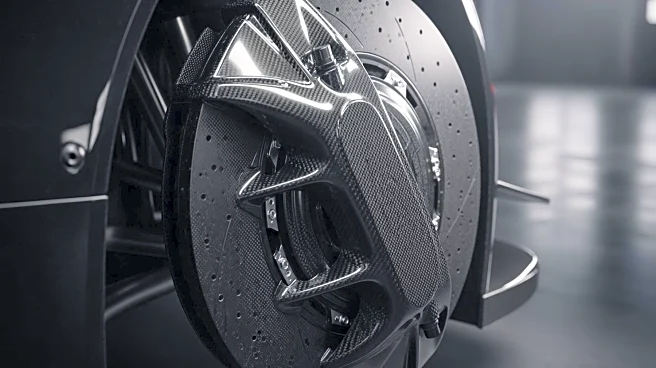
In Formula One, brake ducts serve the primary purpose of cooling the brakes. The intense speeds and frequent braking required in a race generate a substantial amount of heat. Without proper cooling, the brakes could overheat, leading to reduced performance or even failure. Brake ducts channel air directly onto the brake components, dissipating heat and maintaining optimal operating temperatures.
The design of brake ducts is a fine balance between cooling efficiency and aerodynamic performance. Engineers must ensure that the ducts provide sufficient airflow to the brakes without creating excessive drag that could slow the car down. This balance is critical, as even a slight increase in drag can affect lap times and overall race performance.
Impact on Race Performance
The effectiveness of brake ducts can have a direct impact on a race's outcome. For instance, in the 2001 Formula One season, Michael Schumacher experienced a brake duct issue that led to his retirement from a race. This incident highlights how crucial these components are to a car's reliability and a driver's success.
Teams invest significant resources into the design and testing of brake ducts to gain a competitive edge. The ducts must be tailored to each track's specific demands, considering factors such as the number of turns and the average speed. A well-designed brake duct system can provide a team with the confidence that their brakes will perform consistently throughout the race.
Safety Considerations
Beyond performance, brake ducts play a vital role in ensuring driver safety. Overheated brakes can lead to brake fade, where the braking power diminishes, making it difficult for drivers to control their cars. This can be particularly dangerous in high-speed sections of a track or during sudden deceleration.
By maintaining optimal brake temperatures, brake ducts help prevent such scenarios, allowing drivers to push their cars to the limit with confidence. The continuous development and innovation in brake duct design reflect the ongoing commitment to safety in Formula One.
In conclusion, brake ducts are an essential component in Formula One racing, balancing the need for cooling with aerodynamic efficiency. Their role in enhancing performance and ensuring safety cannot be overstated, making them a key focus for teams striving for success on the track.