
Barbecue has a rich history that spans cultures and centuries, evolving from simple cooking methods to complex culinary techniques. The development of barbecue reflects changes in technology, taste, and cultural
influences. This article provides a historical overview of the evolution of barbecue techniques, highlighting key milestones and innovations.
Early Origins and Indigenous Practices
The origins of barbecue can be traced back to indigenous practices, where meat was cooked over open flames using wooden frameworks. The term "barbecue" itself is derived from the Spanish word "barbacoa," which has roots in the Arawak language of the Caribbean. Early explorers observed these methods and adapted them into their own cooking traditions.
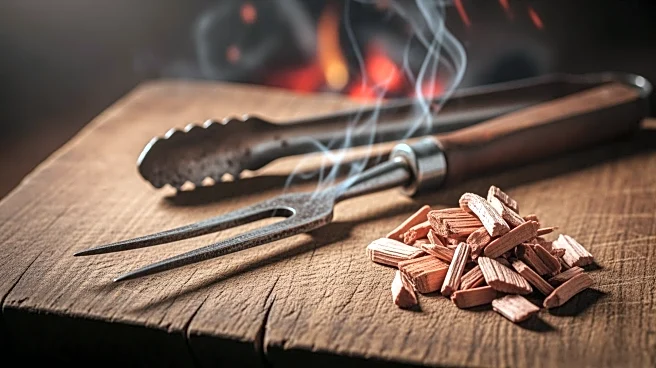
Indigenous techniques often involved slow cooking over smoke, a method that preserved meat and imparted unique flavors. This approach laid the foundation for modern smoking techniques, which continue to be a staple in barbecue culture. The use of wood and charcoal as fuel sources remains central to achieving the desired smoky taste.
Technological Advancements and Modernization
As transportation and technology advanced, barbecue techniques evolved to accommodate new tools and methods. The invention of the Torry Kiln in 1939 marked a significant milestone, allowing for uniform mass-smoking and paving the way for commercial smokers. This innovation made smoking more accessible and efficient, transforming barbecue into a popular culinary practice.
Modern barbecue techniques have expanded to include various heat sources, such as gas and electricity. These advancements have made grilling and smoking more convenient, allowing cooks to experiment with different flavors and cooking styles. The introduction of pellet smokers and electric grills has further diversified the barbecue landscape.
Contemporary Trends and Fusion Cuisine
Today, barbecue continues to evolve, influenced by global culinary trends and fusion cuisine. Chefs and home cooks alike experiment with new flavors and techniques, incorporating elements from different cultures. The popularity of Korean barbecue and South American asado reflects the growing interest in international barbecue styles.
Contemporary barbecue often combines traditional smoking and grilling methods with modern innovations, creating dishes that are both familiar and novel. The use of diverse wood types and marinades allows for endless possibilities in flavor profiles. As barbecue techniques continue to evolve, they remain a testament to the adaptability and creativity of culinary traditions.
Barbecue's journey from indigenous practices to modern culinary art showcases its enduring appeal and cultural significance. As techniques continue to develop, barbecue remains a beloved tradition that brings people together over shared flavors and experiences.