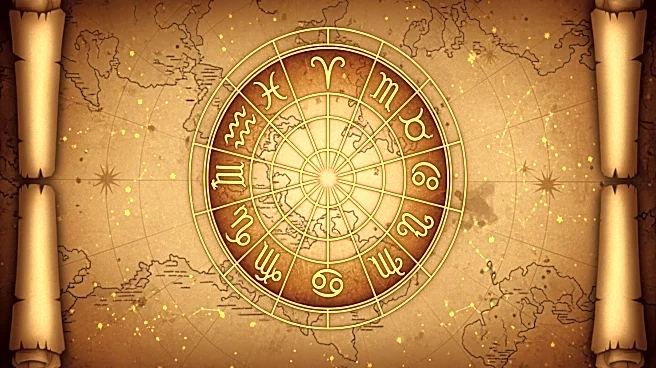








The zodiac, a system of twelve signs representing celestial coordinates, has left a significant mark on cultures worldwide. From its Babylonian origins to its integration into Greek, Roman, and Hindu traditions, the zodiac has shaped beliefs, practices, and cultural narratives. This article explores the cultural impact of the zodiac across different civilizations.
Babylonian and Greek Contributions
The zodiac's cultural journey began in Babylon, where it was developed as a celestial
coordinate system. The Babylonians used the zodiac to predict planetary positions and celestial events, embedding it deeply into their astronomical practices. This system was later adopted by the Greeks, who were fascinated by Babylonian "Chaldean wisdom."
In Greek culture, the zodiac became intertwined with mythology and astrology. The Greeks associated each zodiac sign with mythological figures and stories, enriching their cultural narratives. The zodiac's influence extended to Roman culture, where it was used for divination and personal horoscopes. The integration of the zodiac into Greek and Roman traditions highlights its cultural significance and adaptability.
The Zodiac in Hindu Tradition
The zodiac also found its way into Hindu culture, where it was adapted from the Greek zodiac through interactions with the Greek empire of Bactria. The Hindu zodiac uses a sidereal coordinate system, referencing fixed stars rather than the tropical system aligned with equinoxes and solstices.
Despite differences in language and symbolism, the Hindu zodiac shares similarities with the Greek system. For instance, the Hindu sign "dhanu" corresponds to Sagittarius, both representing an archer. This cross-cultural exchange illustrates the zodiac's ability to transcend linguistic and cultural barriers, influencing diverse traditions.
Modern Cultural Significance
Today, the zodiac continues to hold cultural significance, particularly in astrology. It is used to interpret personality traits, predict life events, and provide insights into human behavior. The zodiac's enduring appeal lies in its ability to offer a sense of connection to the cosmos and a framework for understanding life's complexities.
In addition to astrology, the zodiac has influenced art, literature, and popular culture. From medieval stained glass windows depicting zodiac signs to modern horoscopes in newspapers, the zodiac remains a vibrant part of cultural expression. Its journey through history and across civilizations underscores its lasting impact and universal appeal.