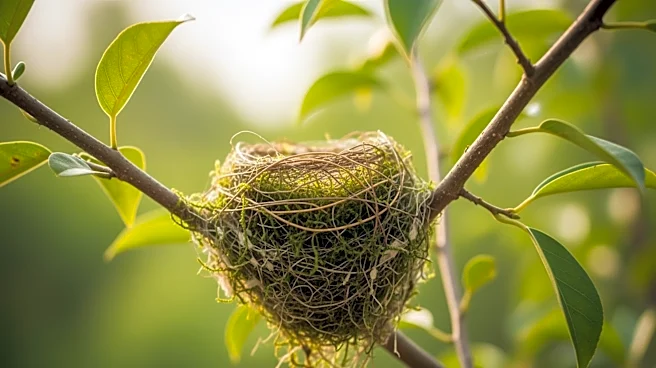







Finches are a widespread family of birds known for their adaptability and vibrant plumage. Found across the globe, except in Australia and the polar regions, these birds have carved out niches in a variety of habitats. This article takes a closer look at the global distribution and habitat preferences of finches, highlighting their ability to thrive in diverse environments.
Global Distribution
The family Fringillidae, which includes true finches, boasts a near-global
distribution. These birds are found across the Americas, Eurasia, and Africa, occupying a wide range of ecological zones. Despite their extensive range, finches are notably absent from Australasia, Antarctica, and the Southern Pacific islands. However, some European species have been introduced to Australia and New Zealand, where they have established thriving populations.
The widespread distribution of finches is a testament to their evolutionary success. Their ability to adapt to different climates and environments has allowed them to colonize regions as varied as the dense forests of North America and the arid landscapes of Africa. This adaptability is a key factor in their survival and proliferation across the globe.
Habitat Preferences
Finches are typically associated with well-wooded areas, where they find ample food and nesting sites. However, their habitat preferences are as diverse as the family itself. Some species have adapted to life in mountainous regions, while others thrive in desert environments. This versatility in habitat selection is a hallmark of the finch family.
In addition to their natural habitats, finches have also adapted to urban environments. Many species are commonly found in gardens and parks, where they take advantage of human-provided food sources. This ability to coexist with humans has further expanded their range and contributed to their success as a family.
Ecological Impact
The presence of finches in various ecosystems plays a crucial role in maintaining ecological balance. As seed-eaters, they contribute to seed dispersal, aiding in plant reproduction and the maintenance of healthy ecosystems. Their feeding habits also help control insect populations, providing a natural form of pest management.
Moreover, finches serve as important indicators of environmental health. Changes in their populations can signal shifts in ecosystem dynamics, making them valuable subjects for ecological research. Their adaptability and resilience make them a key component of the ecosystems they inhabit.
In conclusion, the global distribution and habitat preferences of finches highlight their remarkable adaptability and ecological importance. Whether in a dense forest or a bustling city, finches continue to thrive, showcasing their ability to navigate and flourish in a changing world.