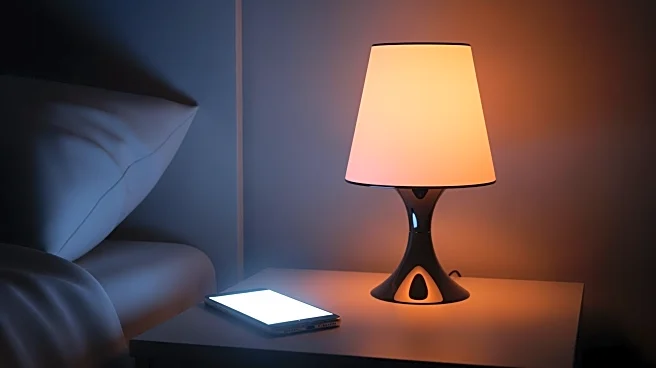

In the digital age, screen time has become a significant part of daily life, affecting various aspects of health, including sleep. The relationship between screen time and sleep is complex, with research
indicating that excessive screen use can negatively impact sleep patterns and quality. Understanding this relationship is crucial for promoting better sleep hygiene and overall well-being.
The Science Behind Screen Time and Sleep
Screen time, particularly before bedtime, can disrupt sleep in several ways. One of the primary factors is the blue light emitted by screens, which interferes with the body's natural production of melatonin, a hormone that regulates sleep-wake cycles. When melatonin production is suppressed, it can lead to difficulties in falling asleep and reduced sleep quality.
Moreover, engaging with screens before bed can stimulate the brain, making it harder to wind down and fall asleep. The content consumed, whether it's a thrilling video game or an engaging social media feed, can keep the mind active and delay the onset of sleep. This stimulation can lead to shorter sleep duration and decreased sleep efficiency.
Impact on Different Age Groups
The effects of screen time on sleep are particularly concerning for children and adolescents. Studies have shown that increased screen time is associated with shorter sleep duration and delayed bedtimes in young people. This is problematic as adequate sleep is essential for growth, development, and overall health in children and teens.
Adults are not immune to the effects of screen time on sleep. Many adults report using their mobile devices within 30 minutes of going to bed, which can lead to similar disruptions in sleep patterns. The constant connectivity and accessibility of screens can make it challenging to disconnect and relax before sleep.
Strategies for Better Sleep
To mitigate the negative effects of screen time on sleep, several strategies can be implemented. One effective approach is to establish a screen-free period before bedtime, allowing the body to naturally prepare for sleep. This can involve turning off electronic devices at least an hour before bed and engaging in relaxing activities such as reading or meditation.
Additionally, using apps or settings that reduce blue light exposure, such as night mode or blue light filters, can help minimize the impact on melatonin production. Creating a sleep-friendly environment by keeping screens out of the bedroom and maintaining a consistent sleep schedule can also promote better sleep quality.
In conclusion, while screen time is an integral part of modern life, it is essential to be mindful of its impact on sleep. By adopting healthy screen habits and prioritizing sleep hygiene, individuals can improve their sleep quality and overall well-being.