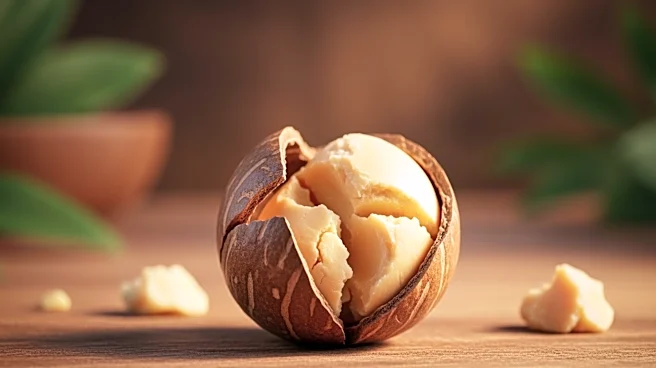

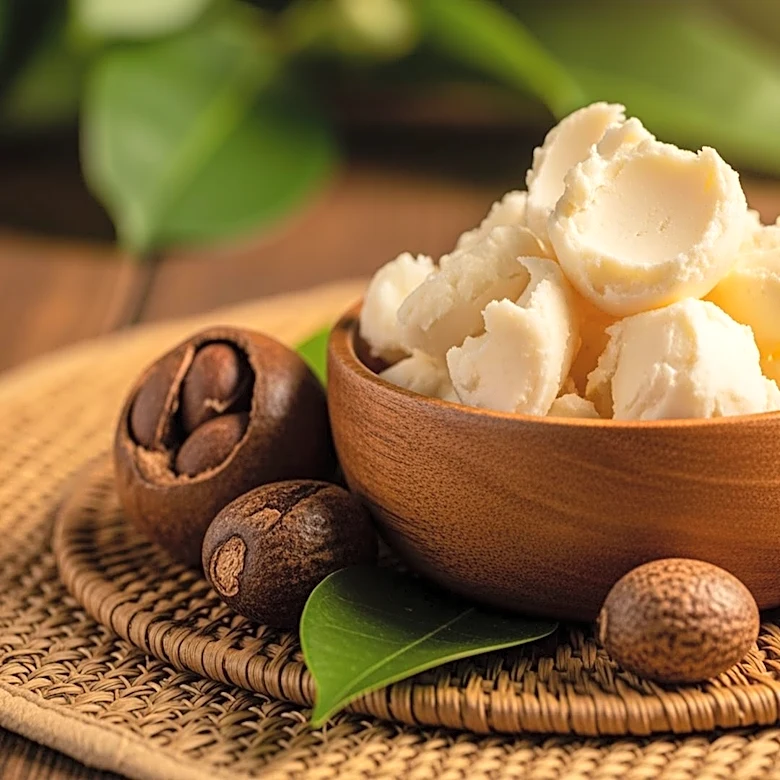




Shea butter, a fat extracted from the nut of the African shea tree, has a rich history and cultural significance that spans centuries. Known for its moisturizing properties, shea butter is widely used in cosmetics and food preparation in various African countries. This article delves into the historical development of shea butter, its cultural impact, and its journey from a local commodity to a global skincare staple.
Historical Roots
The shea tree, native to the dry
savannah belt of West Africa, has been a source of shea butter for centuries. Evidence of shea butter production dates back to the 14th century, as indicated by archaeological findings at the medieval village of Saouga. By the mid-19th century, shea butter was being imported into Britain, marking the beginning of its international trade.
The name "shea" is derived from the Bambara language of Mali, where the tree is called "shísu." This linguistic origin highlights the deep cultural roots of shea butter in West African societies. The shea tree grows naturally across 21 African countries, including Ghana, Nigeria, and Burkina Faso, where it plays a vital role in local economies and traditions.
Cultural Significance
Shea butter holds significant cultural value in West Africa, where it is used not only as a cosmetic but also in food preparation, hairdressing, and traditional medicine. In countries like Benin, shea butter serves as cooking oil and is used to waterproof materials and increase the durability of wooden and leather goods.
The production of shea butter is often a communal activity, with women playing a central role in harvesting and processing the nuts. This has led to the formation of women-owned cooperatives, which empower local communities and promote sustainable economic development. These cooperatives are crucial in preserving traditional methods and ensuring fair trade practices.
Global Expansion
The global demand for shea butter has grown significantly, driven by its popularity in the cosmetics industry. Shea butter is a key ingredient in products like lip balms, moisturizers, and hair conditioners, valued for its emollient properties and natural vitamins.
Despite its widespread use, the consistency and quality of shea butter can vary based on regional differences in fatty acid composition. West African shea butter, for instance, is known for its solid consistency due to higher stearic acid content, while Ugandan shea butter is more liquid at warm temperatures.
The expansion of shea butter into international markets has brought attention to the importance of sustainable sourcing and fair trade, ensuring that the benefits of this natural resource are shared equitably among the communities that produce it.