




Concealer has become a staple in the world of cosmetics, known for its ability to mask imperfections and enhance the appearance of the skin. Over the years, concealer has evolved significantly, adapting to the changing needs and preferences of consumers. This article delves into the historical development of concealer, highlighting key milestones and innovations that have shaped its journey.
Early Beginnings
The concept of concealing skin imperfections is not new.
Historically, people have used various substances to cover blemishes and enhance their appearance. However, the first commercially available concealer, Max Factor's Erace, was launched in 1954. This marked a significant milestone in the cosmetics industry, as it introduced a product specifically designed to mask imperfections.
Max Factor's Erace was revolutionary for its time, offering a solution for those seeking to hide dark circles, blemishes, and other skin discolorations. The product's success paved the way for further innovations in concealer formulations, leading to the development of more advanced products with improved coverage and texture.
Advancements in Formulation
As the demand for concealer grew, manufacturers began experimenting with different formulations to cater to diverse skin types and concerns. Liquid concealers became popular due to their versatility and ease of application. These products were designed to provide buildable coverage, allowing users to achieve their desired level of concealment.
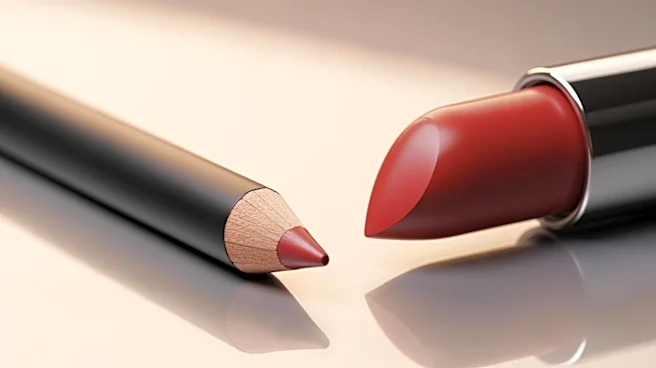
Stick and cream concealers also gained popularity, offering heavier coverage for more stubborn imperfections. These formulations were particularly useful for covering birthmarks, scars, and other significant skin discolorations. The introduction of pencil concealers further expanded the range of options available, providing precise application for small blemishes and dark spots.
Modern Innovations
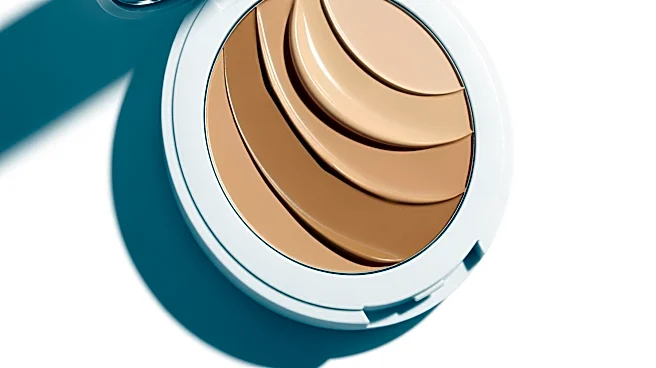
Today, concealer is available in a wide variety of forms, including liquid, cream, stick, pencil, and powder. Each type offers unique benefits, catering to different skin types and preferences. Modern concealers are formulated with advanced ingredients that not only provide coverage but also offer skincare benefits.
Color-correcting concealers have become increasingly popular, allowing users to neutralize specific skin concerns. For instance, green and blue concealers can counteract redness, while purple-tinted products brighten sallow complexions. These innovations reflect the ongoing evolution of concealer, as manufacturers continue to develop products that meet the diverse needs of consumers.
Concealer has come a long way since its inception, evolving from a simple product to a versatile tool in the cosmetics industry. As technology and consumer preferences continue to evolve, concealer is likely to undergo further transformations, offering even more advanced solutions for achieving flawless skin.