



Slipstream is a fascinating phenomenon in fluid dynamics that plays a crucial role in the movement of objects through air and water. It refers to the region behind a moving object where the fluid, whether air or water, moves at velocities comparable to that of the object itself. This article explores the principles of slipstream, its effects on aerodynamics, and how it is utilized in various applications.
Principles of Slipstream
At its core, slipstream is about the interaction
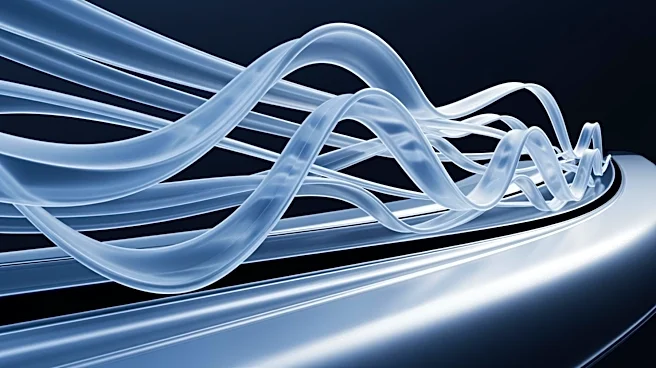
between a moving object and the fluid it travels through. When an object moves, it displaces the fluid around it, creating a wake or slipstream. This region of disturbed fluid can have different characteristics depending on the flow type—turbulent or laminar.
In turbulent flow, the slipstream has a slightly lower pressure than the surrounding fluid, creating a suction effect that can influence the object's movement. Conversely, in laminar flow, the pressure behind the object is higher than the ambient fluid, which can stabilize the object's path. The shape of the object significantly affects the slipstream's strength and characteristics. More aerodynamic shapes, like a bullet, create smaller and weaker slipstreams, while less aerodynamic shapes, like a box, generate larger and more turbulent wakes.
Effects on Movement and Efficiency
Slipstreaming, or drafting, is a technique that takes advantage of the slipstream's properties to improve movement efficiency. When one object follows closely behind another, it experiences reduced air resistance due to the lower pressure in the slipstream. This reduction in drag allows the trailing object to maintain speed with less energy expenditure.
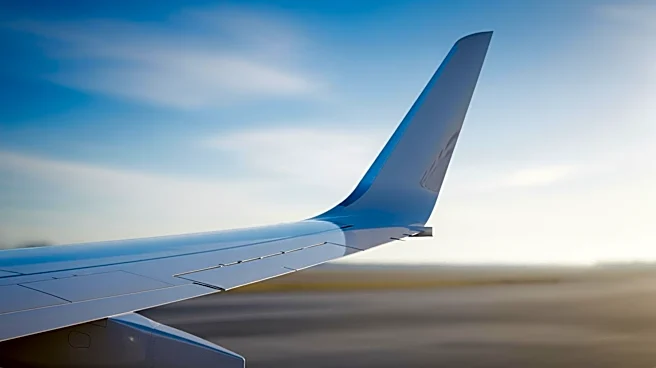
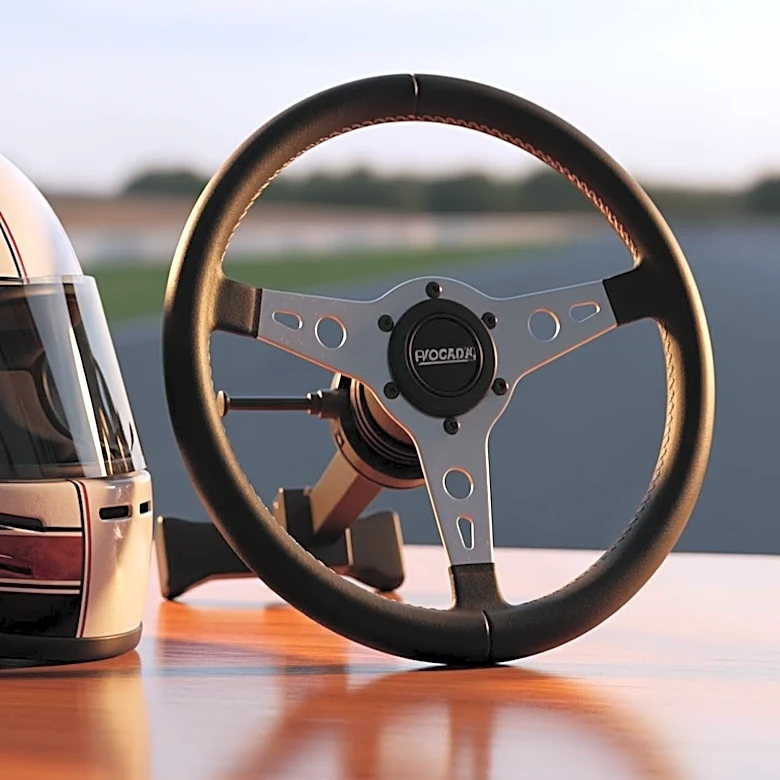
This principle is widely used in sports such as cycling and motor racing, where competitors strategically position themselves in the slipstream of others to conserve energy and gain a competitive edge. In aviation, slipstream effects are considered in the design of aircraft to optimize performance and fuel efficiency.
Applications and Innovations
Beyond sports and aviation, slipstream principles are applied in various fields to enhance performance and efficiency. In the automotive industry, vehicle designs often incorporate aerodynamic features that minimize slipstream effects, reducing drag and improving fuel economy. Engineers also use slipstreaming techniques in the design of high-speed trains and ships to enhance speed and stability.
Innovations in computational fluid dynamics have further advanced the understanding and application of slipstream. By simulating fluid flow around objects, engineers can optimize designs to harness the benefits of slipstream while mitigating its challenges. This has led to more efficient and sustainable transportation solutions across different modes of travel.
In summary, slipstream is a vital concept in aerodynamics that influences the movement and efficiency of objects through fluid environments. Its applications span various industries, driving innovations that enhance performance and sustainability.