
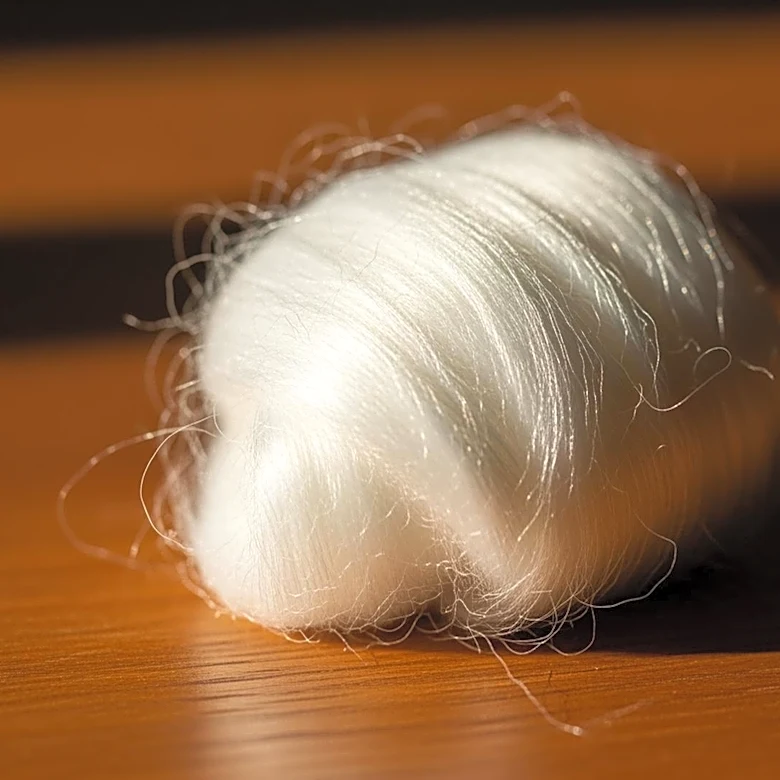


Angora wool, while prized for its softness and warmth, has been at the center of significant ethical concerns regarding its production. The process of harvesting Angora wool has raised questions about animal welfare, particularly in countries where the majority of the world's supply is produced. This article explores the ethical issues associated with Angora wool production and the impact on the rabbits involved.
Animal Welfare Issues
The production of Angora wool has been
criticized for the treatment of Angora rabbits, especially on farms in China, which supplies 90% of the world's Angora wool. Reports from animal rights organizations, such as People for the Ethical Treatment of Animals (PETA), have highlighted the cruel practices involved in wool harvesting. Rabbits are often subjected to painful plucking, where their fur is violently ripped out every few months. This process leaves the rabbits in shock and distress, confined to filthy cages without adequate care.
In addition to plucking, some rabbits are sheared, a process that involves tightly restraining the animals, often resulting in injuries as they struggle in fear. The lack of legal protections for these animals means they endure harsh conditions, including raw, inflamed feet, eye infections, and severe psychological distress. Many rabbits do not survive beyond two years, and those that do are eventually slaughtered for meat.
Industry Response and Consumer Awareness
The exposure of these practices has led to a significant backlash from consumers and retailers. In 2013, several major clothing brands, including Hugo Boss, Gap Inc., and H&M, suspended the sourcing of Angora wool products after video evidence of animal cruelty surfaced. These companies have since banned Angora products from their lines, responding to consumer demand for more ethical and humane production practices.
Consumers who wish to avoid supporting unethical practices are encouraged to look for products labeled as "cruelty-free" or "humanely collected." These labels indicate that the Angora wool was gathered during the rabbits' natural shedding process, without causing harm to the animals.
Moving Towards Ethical Production
The controversy surrounding Angora wool production has sparked a broader conversation about animal welfare in the textile industry. As awareness grows, there is increasing pressure on producers to adopt more humane practices and for consumers to make informed choices. The shift towards ethical production not only benefits the animals but also aligns with the values of a growing number of consumers who prioritize sustainability and compassion in their purchasing decisions.
In conclusion, while Angora wool remains a luxurious and desirable material, the ethical concerns surrounding its production cannot be ignored. By advocating for humane practices and supporting cruelty-free products, consumers can contribute to a more ethical and sustainable future for the textile industry.