
Dry shampoo has become a popular choice for those looking to refresh their hair without the need for water. Its unique composition and application method make it a convenient option for many. This article
delves into what dry shampoo is made of and how to use it effectively.
The Composition of Dry Shampoo
Dry shampoo is generally composed of a carrier agent containing an active powder, with starch being the most common active ingredient. When applied, the carrier agent evaporates, leaving the starch to absorb the oils in the hair. This process helps reduce the greasy appearance of hair, making it look cleaner and more voluminous.
While starch is the primary ingredient, other substances like activated carbon and alumina can be used, though they are less common due to their inability to biodegrade and the residue they leave behind. Modern dry shampoos often use rice starch and cetrimonium chloride, which are effective in absorbing oil and are more environmentally friendly.
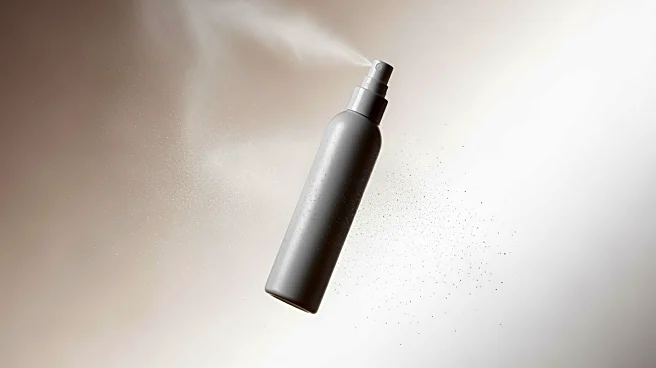
In aerosol forms, dry shampoo also contains a propellant, typically a mix of butane, isobutane, and propane. These gases help disperse the powder evenly when sprayed, ensuring a consistent application across the hair.
Proper Application Techniques
Applying dry shampoo correctly is crucial to achieving the desired results. The product should be applied to the scalp or roots of the hair, where oil tends to accumulate. If using an aerosol can, it is recommended to hold the can at least six inches away from the application area to ensure even distribution.
Once applied, the dry shampoo should be allowed to sit on the hair for a few minutes. This waiting period gives the product time to absorb the oils effectively. Afterward, the powder can be massaged into the scalp or brushed through the hair to remove any excess product and distribute it evenly.
It is important to avoid spraying the ends of the hair, as this can lead to excessive drying. Additionally, dry shampoo should not be used for more than two consecutive days to prevent product build-up and potential scalp irritation.
Maximizing the Benefits
To get the most out of dry shampoo, it is essential to target specific oily areas rather than applying it all over the hair. This targeted approach helps maintain the hair's natural moisture balance while still achieving a refreshed look.
By understanding the composition and proper application techniques of dry shampoo, users can enjoy its benefits without compromising the health of their hair and scalp. Whether used for a quick refresh or as a styling aid, dry shampoo remains a versatile and valuable addition to any hair care routine.