






Direct injection expanded foam molding is a fascinating manufacturing process that has transformed the production of soft foam products. By creating foam directly from a compound into a final product, this method eliminates several traditional steps, making it a highly efficient and innovative approach. Let's explore how this process works and its various applications.
The Process of Direct Injection Expanded Foam Molding
The direct injection expanded foam molding process begins with an ethylene-based
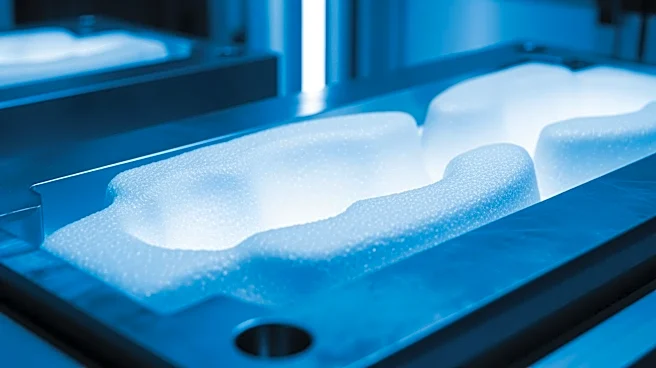
polyolefin elastomer, such as polyethylene or EVA. These materials are known for their durability and resistance to chemicals, making them ideal for a wide range of applications. The process involves injecting a compound into a mold, where an endothermic reaction activates blowing agents, resulting in the formation of expanded foam.
One of the unique aspects of this process is that the mold cavity is smaller than the final product size. As the foam expands, it "self-ejects" from the mold, growing to the required dimensions. This method allows for the creation of detailed and durable foam products without the need for additional steps like die-cutting or compression molding.
Advantages and Applications
The direct injection expanded foam molding process offers several advantages. The resulting foam is closed-cell, meaning it is waterproof and resistant to mold, mildew, and bacteria. This makes it suitable for products that require high durability and resistance to environmental factors. Additionally, the cross-linked structure of the foam provides high tear and tensile strength, further enhancing its durability.
This manufacturing process is valuable for producing a variety of foam products, including those with intricate details. It is commonly used in the production of items like footwear, automotive components, and sports equipment. The ability to create complex shapes and designs with precision makes it a preferred choice for manufacturers seeking efficiency and quality.
The Future of Foam Molding
As technology continues to advance, the direct injection expanded foam molding process is expected to evolve further. Researchers are exploring new materials and techniques to enhance the properties of the foam and expand its applications. The focus is on improving the efficiency of the process while maintaining the quality and durability of the final products.
In conclusion, direct injection expanded foam molding is a remarkable manufacturing process that has revolutionized the production of foam products. Its ability to create detailed, durable, and resistant items has made it a staple in various industries. As innovations continue to emerge, this process will likely play an even more significant role in the future of manufacturing.