






Vauxhall, located in South London within the London Borough of Lambeth, is a district with a unique geographic and political landscape. Its strategic location along the River Thames and its well-connected transport links make it a vital part of London's urban fabric. This article examines the geographic and political aspects of Vauxhall, highlighting its significance in the city's infrastructure and governance.
Strategic Location and Transport Connectivity
Vauxhall's location is one of its defining
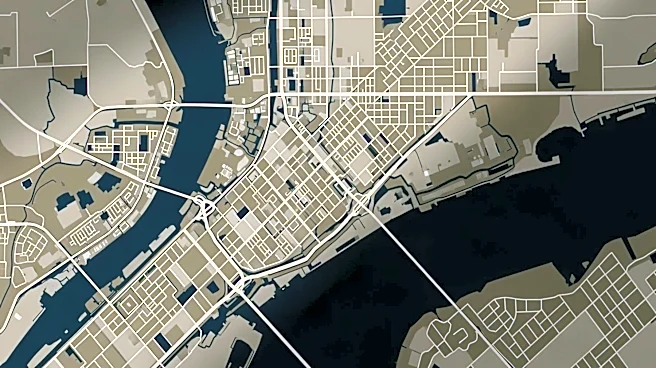
features, situated just 2.1 kilometers south of Charing Cross and adjacent to the River Thames. The district is bordered by Lambeth to the north, Kennington to the southeast, and Nine Elms, South Lambeth, and Stockwell to the south. This central position makes Vauxhall a key area for both residential and commercial activities.
The district is well-served by public transport, with Vauxhall station providing access to the London Underground, National Rail trains, and numerous bus routes. The station is located at Vauxhall Cross, a major transport interchange where several roads converge. This connectivity has earned Vauxhall the highest possible Public Transport Accessibility Level (PTAL) rating of 6b, making it one of London's most accessible transport hubs.
Political Representation and Governance
Politically, Vauxhall is part of the London Borough of Lambeth and falls within the Vauxhall and Camberwell Green constituency for Westminster elections. The area is represented by Florence Eshalomi of the Labour and Co-operative Party, who has held the seat since 2019. Vauxhall's political landscape is characterized by its active engagement in local governance and community representation.
The district is also home to the Vauxhall Gardens Estate Residents and Tenants Association (VGERTA), which represents a significant portion of the local population. VGERTA has been instrumental in advocating for community interests and securing funding for local projects, such as the regeneration of the Glasshouse Walk Playground.
The Role of Vauxhall in London's Urban Fabric
Vauxhall's geographic and political landscape plays a crucial role in shaping its identity and influence within London. Its strategic location and excellent transport links make it an attractive area for residents, businesses, and government institutions. The district's political representation ensures that the needs and interests of its diverse community are addressed and advocated for at both local and national levels.
As Vauxhall continues to evolve, its geographic and political significance remains a key factor in its development. The district's unique position within London's urban fabric highlights its importance as a center of connectivity, governance, and community engagement.