
Barbecue is a beloved cooking method that brings people together over delicious, smoky flavors. Two primary techniques define this culinary tradition: smoking and grilling. Each method offers unique characteristics
and flavors, making barbecue a versatile and cherished cooking style. This article delves into the specifics of smoking and grilling, exploring how these techniques contribute to the rich tapestry of barbecue.
Smoking: The Art of Slow Cooking
Smoking is a traditional barbecue technique that involves cooking food slowly at low temperatures, typically between 240 and 280 °F. This method is known for its ability to infuse food with deep, smoky flavors while tenderizing it over several hours. The process of smoking is often associated with meats, but it can also be applied to fish, vegetables, and even nuts.
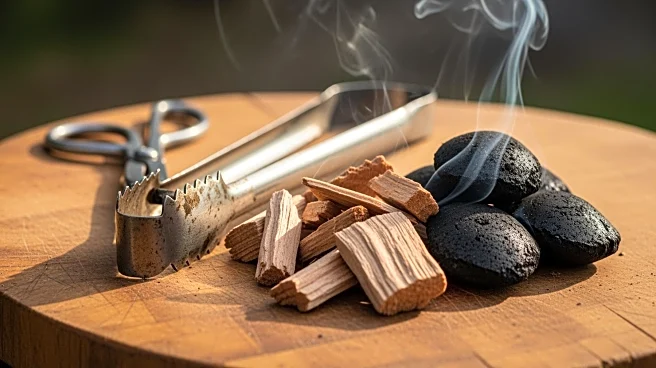
The key to successful smoking lies in the choice of fuel. Wood, charcoal, gas, electricity, or pellets can be used, each imparting distinct flavors to the food. The low temperatures used in smoking allow the meat to absorb the smoke deeply, resulting in a rich, flavorful dish. This technique is ideal for larger cuts of meat that benefit from extended cooking times, such as brisket or ribs.
Grilling: Quick and Flavorful
Grilling, on the other hand, is a faster cooking method that uses direct, dry heat. Typically performed over a hot fire at temperatures around 500 °F, grilling is perfect for quick-cooking meats and vegetables. The high heat sears the food, creating a delicious crust and locking in juices.
Unlike smoking, grilling is often done over a direct flame, which imparts a distinct charred flavor to the food. This method is popular for cooking smaller cuts of meat, such as steaks, burgers, and chicken breasts, as well as vegetables like corn and peppers. Grilling can be done using various heat sources, including wood, charcoal, gas, and electricity, each offering different flavor profiles.
Combining Techniques for Ultimate Flavor
While smoking and grilling are distinct techniques, they can be combined to create dishes with complex flavors and textures. For instance, a piece of meat can be smoked first to infuse it with deep flavors, then finished on the grill to achieve a crispy exterior. This combination allows cooks to experiment with different flavor profiles and cooking styles.
Barbecue enthusiasts often explore various wood types and smoking durations to achieve their desired taste. Whether using a smoker or a grill, the choice of fuel and cooking time plays a crucial role in the final dish. By understanding and mastering these techniques, cooks can elevate their barbecue game and delight guests with mouthwatering meals.