


The American Baseball Guild was a short-lived attempt to organize Major League Baseball (MLB) players into a collective bargaining unit in 1946. Founded by Robert Francis Murphy, a labor lawyer from Boston, the Guild aimed to address the grievances of players who felt exploited by MLB owners. Despite initial momentum, the Guild's efforts ultimately failed, marking the last unsuccessful attempt to unionize MLB players before the formation of the Major League Baseball Players
Association (MLBPA).
The Formation of the Guild
In the post-World War II era, baseball was undergoing significant changes. Many players were returning from military service, leading to a surplus of talent and expanded team rosters. Despite increased attendance and revenue, player salaries remained stagnant. This situation, coupled with the Mexican League enticing players with higher salaries, created a ripe environment for labor organization.
Robert Francis Murphy, a former examiner for the National Labor Relations Board, founded the American Baseball Guild on April 14, 1946. The Guild's goals included establishing a minimum salary, arbitration for salary disputes, and provisions for bonuses and insurance. Murphy's vision was to create a union that could effectively negotiate with MLB owners and improve players' working conditions.
The Failed Strike Vote
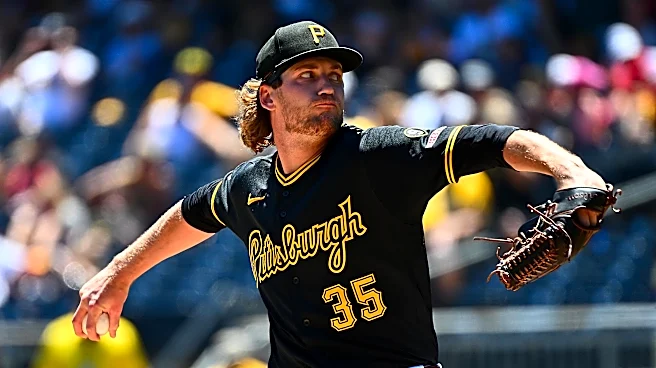
Murphy focused his initial organizing efforts on the Pittsburgh Pirates, a team located in a union stronghold. Early signs were promising, with 95 percent of the Pirates' roster taking out Guild cards. However, when Murphy called for a strike vote on June 7, 1946, the Guild failed to secure the necessary two-thirds majority. Opposition from key players like pitcher Rip Sewell and infielder Jimmy Brown led to the strike authorization falling short by four votes.
The defeat of the strike vote was a significant blow to the Guild. Despite having majority support, the lack of a supermajority indicated a fatal erosion of the union's strength. The Pirates ignored Murphy's call for action and continued to play, effectively ending the Guild's efforts.
Aftermath and Legacy
Following the failed strike vote, MLB owners offered concessions to players, including a minimum salary and the beginnings of a pension plan. Murphy criticized these concessions as forming a "company union," but by the end of the year, the Guild had dissolved.
The American Baseball Guild's failure highlighted the challenges of unionizing MLB players in the face of strong opposition from owners and internal divisions among players. It wasn't until the formation of the MLBPA in 1953 that players successfully organized into a collective bargaining unit. The Guild's efforts, though unsuccessful, paved the way for future labor movements in baseball, ultimately leading to significant changes in players' rights and working conditions.