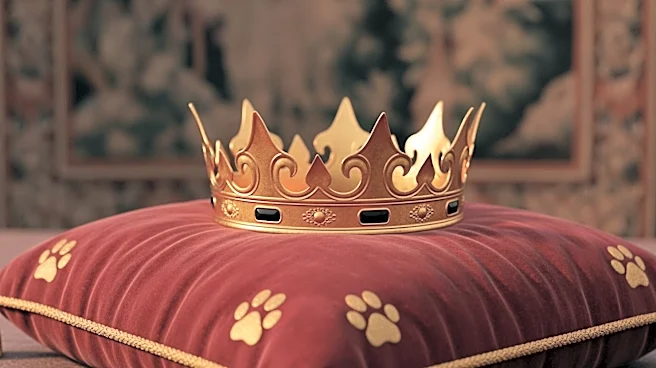





The Pomeranian, a small and fluffy dog breed, has a rich history that is intertwined with royalty and nobility. Originating from the Pomerania region in Central Europe, this breed has evolved significantly over the centuries, largely due to the influence of royal figures. Known for its charming appearance and lively personality, the Pomeranian has become a beloved companion worldwide.
Origins and Early History
The Pomeranian is a descendant of larger Spitz-type dogs, specifically
the German Spitz. The breed is named after the Pomerania region, which is located in north-west Poland and north-east Germany. This area is credited with the breeding that led to the original Pomeranian type of dog. Although the breed's exact origins are not well-documented, it is believed that the Pomeranian was developed from larger working dogs that were used for herding and guarding.
In the 18th century, the Pomeranian began to gain popularity among European nobility. Queen Charlotte of Great Britain brought two Pomeranians to England in 1767, marking the breed's introduction to the country. These dogs were depicted in paintings by Sir Thomas Gainsborough, showcasing their larger size compared to the modern breed.
Royal Influence and Popularity
The breed's popularity soared when Queen Victoria, Queen Charlotte's granddaughter, became an enthusiast of the Pomeranian. Queen Victoria established a large breeding kennel and favored a small red sable Pomeranian named "Windsor's Marco." This dog weighed only 12 pounds, significantly smaller than the Pomeranians of the time. Queen Victoria's influence led to a shift in breeding practices, with breeders selecting smaller specimens to meet the growing demand for petite Pomeranians.
During Queen Victoria's lifetime, the size of the Pomeranian breed decreased by half, and the breed became universally popular. The royal endorsement helped solidify the Pomeranian's status as a fashionable pet, and its popularity continued to grow worldwide.
Modern Recognition and Legacy
The Pomeranian's royal connections contributed to its enduring popularity. The breed was officially recognized by the American Kennel Club in 1900, and it has consistently ranked among the top fifty most popular breeds in the United States since at least 1998. The Pomeranian's charming appearance and lively personality make it a favorite among dog lovers.
Today, the Pomeranian is known for its wide variety of colors, including orange, black, and cream/white. The breed's distinctive fluffy coat and plumed tail are iconic features that continue to captivate admirers. The Pomeranian's journey from a working dog to a royal favorite highlights its adaptability and enduring appeal.