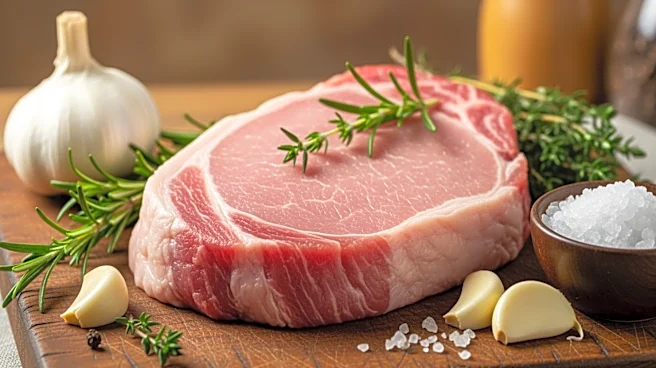


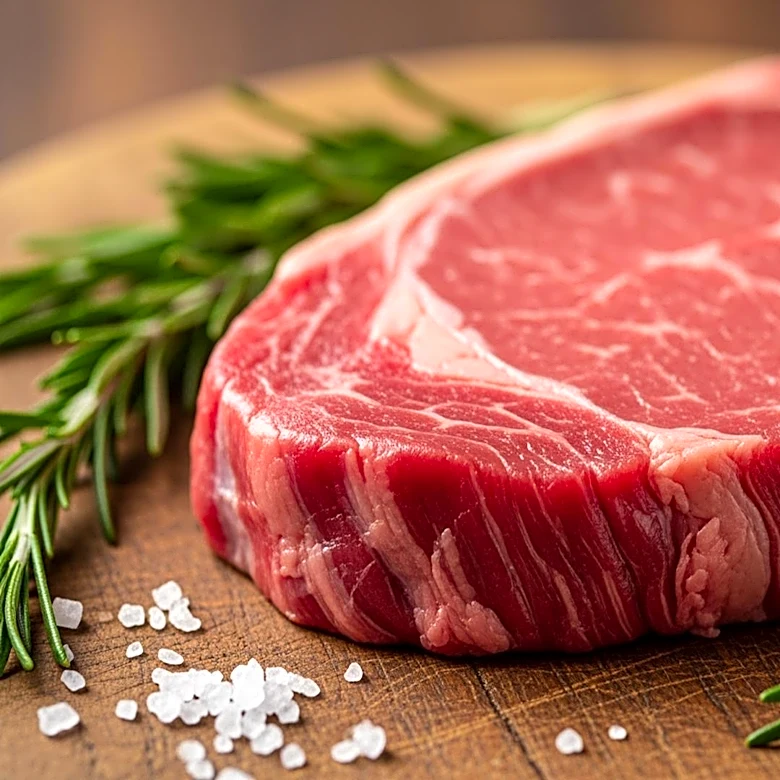




Pork is a popular meat choice for many, offering a rich source of protein and essential nutrients. However, like all red meats, it comes with both health benefits and potential risks. Understanding these aspects can help consumers make informed dietary choices. This article explores the nutritional profile of pork and the health considerations associated with its consumption.
Nutritional Benefits of Pork
Pork is classified as red meat and is a valuable source of several nutrients.
It is rich in protein, which is essential for muscle growth and repair. Additionally, pork provides important vitamins and minerals, including iron, zinc, and B vitamins such as B1, B2, B6, and B12. These nutrients play crucial roles in energy production, immune function, and maintaining healthy skin and nerves.
The meat's high thiamin content, a form of vitamin B1, is particularly noteworthy. Thiamin is vital for converting carbohydrates into energy and supporting nerve function. For those who consume pork as part of a balanced diet, it can contribute significantly to meeting daily nutritional needs.
Health Risks and Recommendations
Despite its nutritional benefits, pork consumption is not without risks. The International Agency for Research on Cancer (IARC) has classified unprocessed red meat as probably carcinogenic, particularly in relation to colorectal cancer. Studies have also linked high red meat intake to increased risks of cardiovascular disease and type 2 diabetes.
Processed pork products, such as bacon and sausages, pose additional health concerns. The processing methods, which often involve salting, curing, or smoking, can increase the levels of harmful compounds. As a result, health organizations recommend limiting the intake of processed meats and suggest consuming no more than three servings of red meat per week.
Balancing Pork in a Healthy Diet
To enjoy pork's benefits while minimizing health risks, moderation is key. Choosing lean cuts and trimming visible fat can reduce saturated fat intake. Cooking methods also matter; grilling, baking, or broiling pork can help retain its nutritional value without adding excess fat.
Incorporating a variety of protein sources, such as poultry, fish, and plant-based options, can provide a balanced diet. By being mindful of portion sizes and preparation methods, pork can be part of a healthy eating plan that supports overall well-being.
Ultimately, understanding the nutritional profile and health implications of pork allows consumers to make informed choices that align with their dietary goals and health needs.