


Fennel, known scientifically as Foeniculum vulgare, is a versatile plant that has been used for centuries in both culinary and medicinal contexts. This perennial herb, part of the carrot family, is native to the Mediterranean but has spread across the globe, thriving in dry soils near coastlines and riverbanks. Its unique flavor, reminiscent of anise, makes it a popular ingredient in various dishes, while its medicinal properties have been valued
in traditional practices.
Culinary Applications
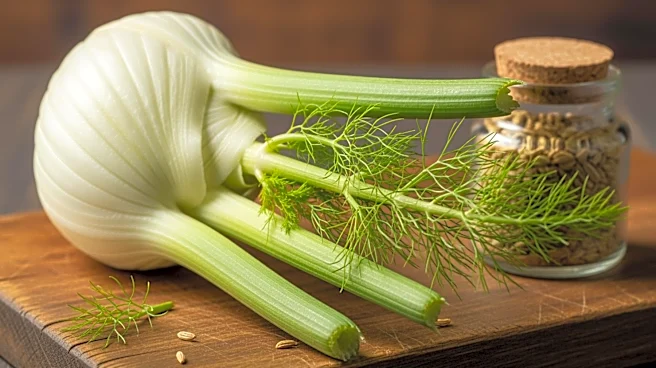
Fennel is a staple in many culinary traditions around the world. Its bulb, foliage, and seeds are all utilized in cooking, each offering a distinct flavor profile. The bulb, often referred to as Florence fennel or finocchio, is crisp and can be eaten raw, sautéed, or roasted. It is a common ingredient in Italian salads and can be braised as a side dish. The leaves, similar in appearance to dill, are used as a garnish or to add flavor to soups and sauces.
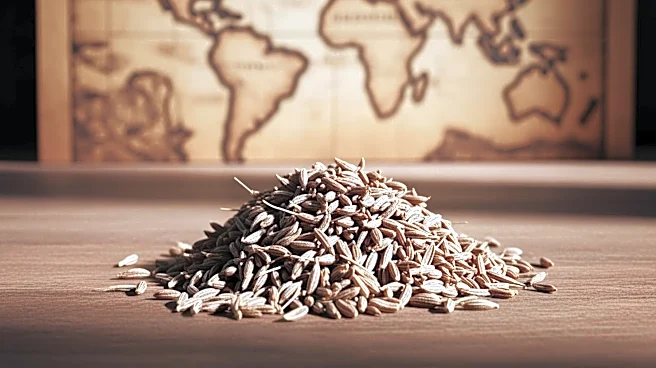
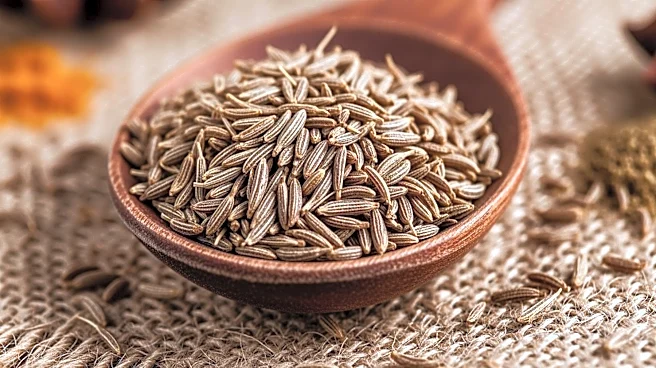
The seeds of fennel are particularly prized for their aromatic qualities. They are used as a spice in a variety of dishes, from Indian curries to Italian sausages. In India, fennel seeds are often consumed as a digestive aid and breath freshener after meals. The seeds are also a key component in spice blends like Chinese five-spice powder and the Indian panch phoron.
Medicinal Uses
Beyond its culinary uses, fennel has a long history of medicinal applications. The plant's essential oils, which include compounds like anethole and estragole, are believed to have various health benefits. Fennel tea, made from the seeds, is traditionally used to aid digestion and relieve bloating. The plant's anti-inflammatory properties are also valued in herbal medicine.
In ancient times, fennel was used by the Greeks and Romans as a remedy for a variety of ailments. It was believed to improve eyesight and was even used as an insect repellent. The plant's reputation for enhancing vision is reflected in literature, such as in Henry Wadsworth Longfellow's poem "The Goblet of Life."
Cultural Significance
Fennel's cultural significance extends beyond its practical uses. In Greek mythology, the plant is associated with the story of Prometheus, who is said to have used a fennel stalk to steal fire from the gods. This myth highlights the plant's symbolic connection to knowledge and enlightenment.
In modern times, fennel continues to be a valued plant in both culinary and medicinal circles. Its ability to thrive in various environments and its wide range of uses make it a versatile and enduring herb. Whether used to flavor a dish or as a natural remedy, fennel remains an integral part of many cultures around the world.