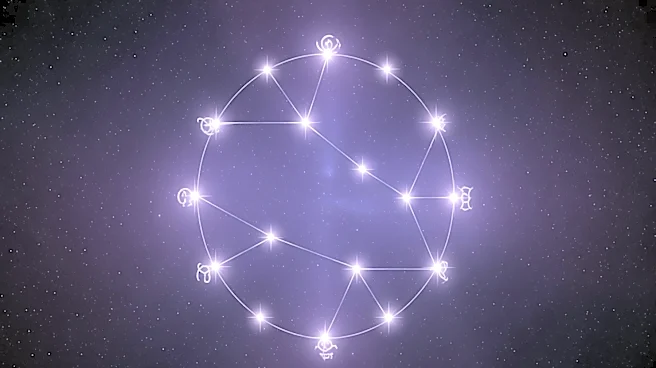








Nakshatras, the lunar mansions in Hindu astrology, are not just astronomical divisions but are steeped in rich mythological narratives. These stories provide a fascinating glimpse into the cultural and religious significance of Nakshatras in ancient Indian society.
The Creation of Nakshatras
According to classical Hindu scriptures such as the Mahabharata and Harivamsa, the Nakshatras were created by Daksha, a prominent figure in Hindu mythology. They are personified as his daughters
and are married to Chandra, the moon god. This mythological framework not only explains the origin of Nakshatras but also their connection to the lunar cycle.
The story goes that Chandra favored one of his wives, Rohini, over the others, which led to a curse from his father-in-law, Daksha. As a result, Chandra was afflicted with leprosy and was doomed to wax and wane each month. This narrative provides a mythological explanation for the moon's phases, linking them directly to the Nakshatras.
The Role of Deities
Each Nakshatra is associated with a specific deity, which influences its characteristics and significance in astrology. For example, the Nakshatra Ardra is governed by Rudra, a form of Lord Shiva known for his destructive and regenerative powers. This association imbues Ardra with intense and transformative qualities, reflecting the nature of its ruling deity.
The deities associated with Nakshatras are not just symbolic but play a crucial role in astrological interpretations. They are believed to impart their attributes to individuals born under their influence, shaping their personalities and destinies.
Cultural and Religious Significance
The mythological stories surrounding Nakshatras are deeply embedded in Hindu culture and religion. They are not only used in astrological predictions but also in religious rituals and ceremonies. The Nakshatras are considered one of the five elements of the Panchanga, the traditional Hindu calendar, underscoring their importance in timekeeping and religious observances.
These narratives and associations highlight the enduring cultural significance of Nakshatras in Hindu society. They serve as a bridge between the celestial and the terrestrial, linking the movements of the stars to the lives and destinies of individuals. Through these mythological stories, Nakshatras continue to play a vital role in the spiritual and cultural life of Hindu communities.