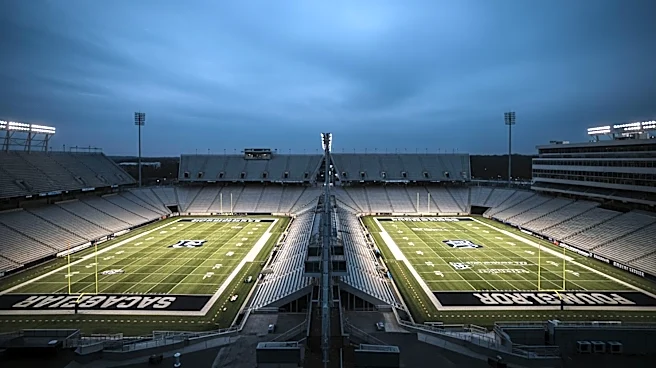






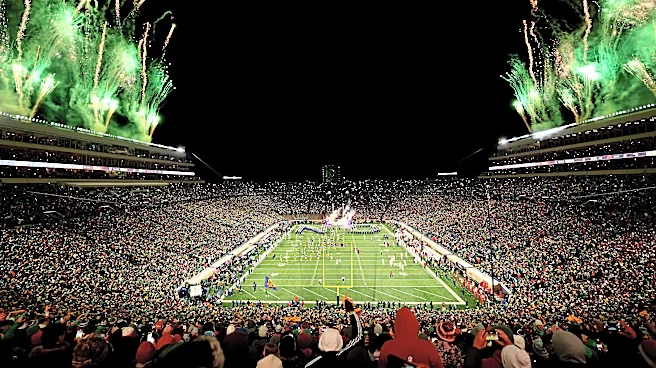

The Rose Bowl stadium in Pasadena, California, is a landmark of American sports culture. Known for hosting the annual Rose Bowl Game, this stadium has been a central figure in college football since its inception. Its historical significance extends beyond just sports, as it has played a role in various cultural and social events over the years.
The Birth of a Sporting Icon
The Rose Bowl stadium was established as the site for the annual Rose Bowl Game, a college football event
that has been held since 1916. This game is often referred to as the "granddaddy of them all" due to its long-standing tradition and prestige in the college football world. The stadium itself is located in Pasadena, California, and has become synonymous with the New Year's Day tradition of college football.
The Rose Bowl Game traditionally featured the champions of the Pac-10 and Big Ten conferences, making it a significant event in the college football calendar. Over the years, the stadium has witnessed numerous memorable games and has been a stage for many college football legends. Its role in the Bowl Championship Series further cemented its status as a key venue in college sports.
A Venue for More Than Just Football
While the Rose Bowl is primarily known for football, it has also been a venue for other significant events. The stadium has hosted concerts, including the famous U2360° tour, which was recorded as a concert video. This highlights the stadium's versatility and its ability to attract large crowds for various types of events.
Additionally, the Rose Bowl has been a part of the cultural fabric of Pasadena, hosting the annual Rose Parade. This parade, held on New Year's Day, is a celebration of the new year and is attended by thousands of spectators. The parade and the game together create a festive atmosphere that is unique to Pasadena and the Rose Bowl.
The Rose Bowl's Enduring Legacy
The Rose Bowl's legacy is not just limited to sports and entertainment. It has been a symbol of resilience and adaptability. For instance, during World War II, the 1942 Rose Bowl Game was moved to Duke University in North Carolina due to security concerns on the West Coast. This decision underscored the importance of the game and the stadium's role in American culture.
Today, the Rose Bowl continues to be a cherished venue, hosting not only the annual football game but also various other events that bring people together. Its historical significance and cultural impact make it a true icon in the world of sports and beyond.