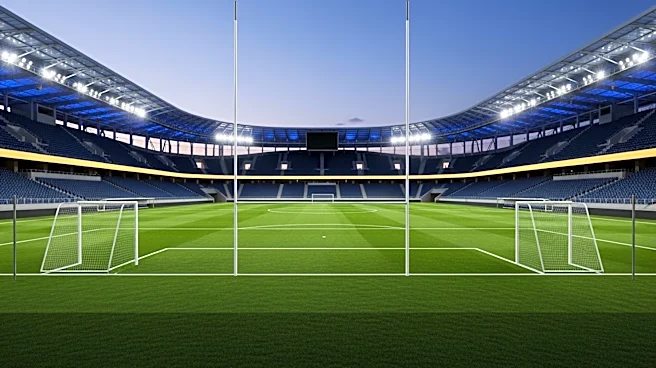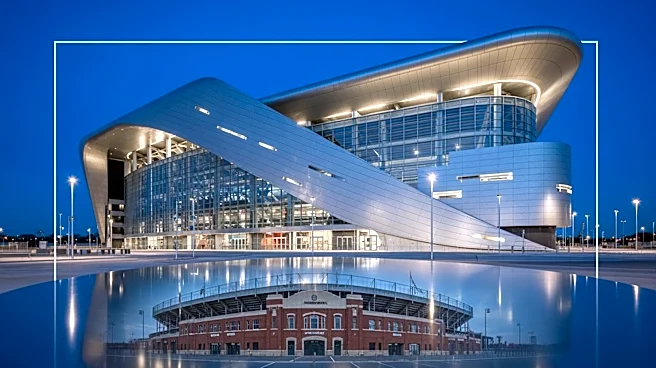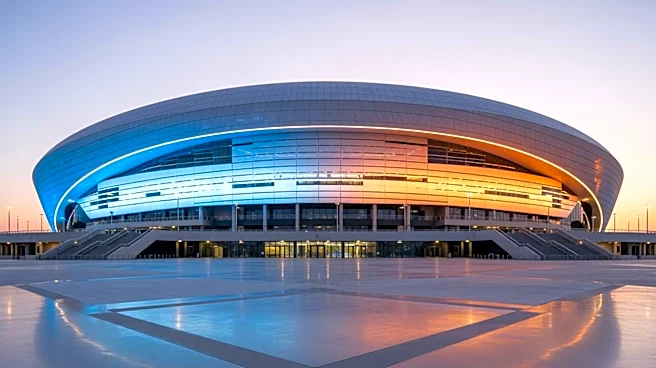

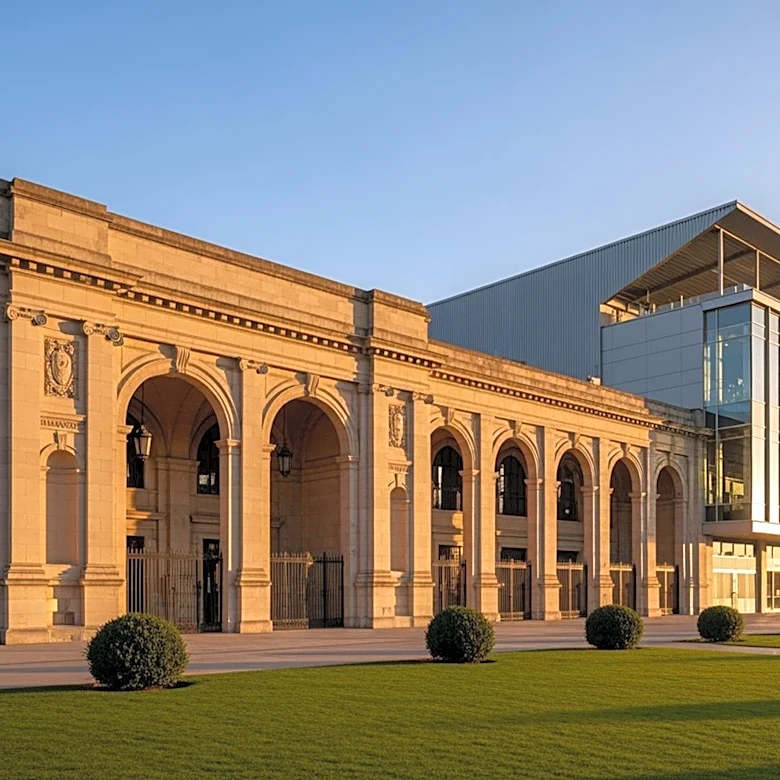



Daegu Stadium, also known as the Blue Arc, has undergone significant changes since its inception. Located in Daegu, South Korea, this stadium has played host to numerous international events, including the 2002 FIFA World Cup and the 2011 World Championships in Athletics. Originally named Daegu World Cup Stadium, it was renamed in 2008 to reflect its broader purpose beyond just football.
Construction and Early Years
The construction of Daegu Stadium began on July 29, 1997, and
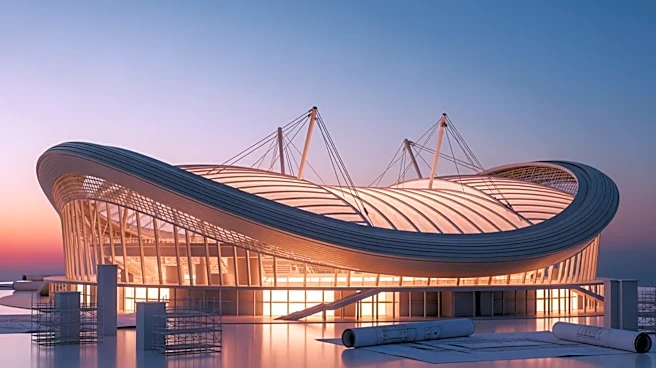
was completed by June 28, 2001. The project cost a substantial $265 million, a testament to its ambitious design and scale. The stadium was designed by architect Kang Cheol-Hee from the Idea Image Institute of Architects. Its roof, engineered by WS Atkins, features a unique design with inclined trussed steel arches and a PTFE-coated glass-reinforced fabric canopy. This innovative structure not only provides shelter but also adds to the aesthetic appeal of the stadium.
In its early years, Daegu Stadium was primarily known for hosting the 2002 FIFA World Cup. It was the largest stadium in South Korea at the time, with a seating capacity of 66,422. During the World Cup, it hosted several key matches, including a memorable third-place match between South Korea and Turkey.
Transition to a Multi-Purpose Venue
After the World Cup, Daegu Stadium transitioned into a multi-purpose venue. It became the main stadium for the 2003 Summer Universiade and the 2011 World Championships in Athletics. This shift marked a new era for the stadium, as it began to host a variety of events beyond football.
The stadium's design, which includes a grass surface and a tartan track, makes it suitable for athletics and other sports. The field size is 105 x 68 meters, with a running track of 400 meters by 8 lanes, and a 100-meter track with 9 lanes. This versatility has allowed Daegu Stadium to remain a central hub for sports and entertainment in the region.
Recent Developments and Legacy
In recent years, Daegu Stadium has continued to evolve. It served as the home stadium for Daegu FC until 2018, further cementing its role in the local sports community. The stadium's management by the Daegu Sports Facilities Management Center ensures that it remains well-maintained and ready to host a variety of events.
The legacy of Daegu Stadium is one of adaptability and resilience. From its origins as a World Cup venue to its current status as a multi-purpose stadium, it has consistently met the needs of its community. As it continues to host events and attract visitors, Daegu Stadium stands as a symbol of the city's commitment to sports and culture.