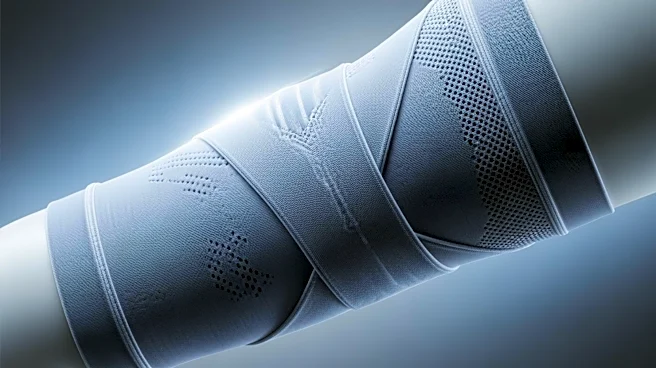






Compression garments have become a staple in the world of sports, offering athletes a range of benefits from improved performance to faster recovery. These garments, often made from materials like spandex, are designed to fit snugly against the skin, providing support and reducing the risk of chafing and rashes. This article explores how compression garments are used in sports, their potential benefits, and the ongoing debate about their effectiveness.
Benefits for Athletes
Athletes across various sports have adopted compression garments for their potential to enhance performance and recovery. These garments are designed to optimize blood flow, which can help reduce muscle fatigue and soreness during and after intense physical activity. By improving circulation, compression garments may also aid in the removal of metabolic waste products, such as lactic acid, which can accumulate during exercise.
In addition to their physiological benefits, compression garments can also provide psychological advantages. Many athletes report feeling more supported and confident when wearing these garments, which can contribute to improved performance. The snug fit of compression garments can also help reduce muscle oscillation, potentially leading to more efficient movement and reduced risk of injury.
The Debate on Effectiveness
Despite the popularity of compression garments in sports, there is ongoing debate about their actual effectiveness. Some studies suggest that these garments do not significantly improve performance metrics such as running speed, vertical jump, or VO2max. However, other research indicates that compression garments can enhance recovery by reducing muscle soreness and swelling after exercise.
The mixed results from scientific studies highlight the need for further research to fully understand the benefits of compression garments in sports. While some athletes swear by their effectiveness, others remain skeptical, viewing them as more of a placebo than a performance-enhancing tool.
Practical Applications in Sports
Compression garments are used in a variety of sports, from running and cycling to team sports like basketball and soccer. Athletes often wear compression shorts, tights, or sleeves during training and competition to take advantage of their potential benefits. In colder environments, compression garments can also provide warmth, while in warmer climates, they can help wick moisture away from the skin.
In conclusion, while the debate on the effectiveness of compression garments in sports continues, their popularity among athletes is undeniable. Whether for perceived performance benefits or enhanced recovery, compression garments remain a key component of many athletes' gear, offering both physical and psychological support.