
Cutting boards are a staple in kitchens around the world, serving as essential tools for food preparation. Their history is as rich and varied as the materials from which they are made. From ancient stone
slabs to modern plastic and bamboo, cutting boards have evolved significantly over the centuries. This article explores the journey of cutting boards, highlighting key developments and changes in materials and design.
Ancient Beginnings
The history of cutting boards dates back to as early as 3000 BC. In ancient Egypt, Greece, and Rome, cutting boards were primarily made from flat stones or large wooden slabs. These early versions were likely born out of necessity, providing a durable surface for cutting and preparing food. Wood quickly became the preferred material due to its availability and durability, setting the stage for the cutting boards we know today.
As civilizations advanced, so did the technology and materials used in making cutting boards. The transition from stone to wood marked a significant milestone in the evolution of cutting boards, as wood offered a more forgiving surface for knife blades, reducing wear and tear on the tools.
The Rise of Plastic and Bamboo
With the advent of new materials and technology, the 20th century saw the introduction of plastic cutting boards. These boards gained popularity due to their lightweight nature and ease of maintenance. Unlike wood, plastic boards could be easily cleaned and sanitized, making them a favorite in both home and professional kitchens.
Bamboo cutting boards emerged as a popular alternative to both plastic and traditional hardwood boards. Known for their hardness and resistance to knife scarring, bamboo boards are less porous than wood, making them more resistant to bacteria. Despite common beliefs about their antimicrobial properties, studies have shown that bamboo is not inherently antimicrobial. However, its durability and aesthetic appeal have made it a popular choice in modern kitchens.
Modern Innovations and Considerations
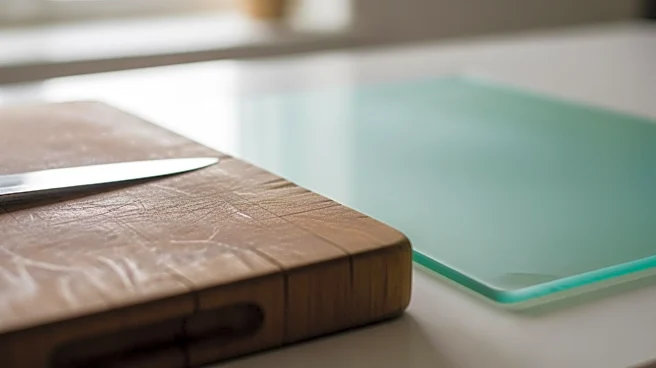
Today, cutting boards are available in a wide range of materials, including wood, plastic, bamboo, glass, and even steel. Each material offers unique benefits and drawbacks, influencing the choice of cutting board based on the specific needs of the user. For instance, while glass and steel boards are easy to clean, they can quickly dull knife blades.
Wooden boards remain a popular choice due to their self-healing properties and natural antiseptic qualities. Hardwoods like birch, maple, and teak are favored for their tight grains and small pores, which help reduce scoring and liquid absorption. However, care must be taken to maintain wooden boards, including regular oiling to prevent warping and cracking.
As cutting boards continue to evolve, they reflect the changing needs and preferences of cooks around the world. Whether made from ancient stone or modern bamboo, cutting boards remain an indispensable tool in the kitchen, bridging the gap between tradition and innovation.