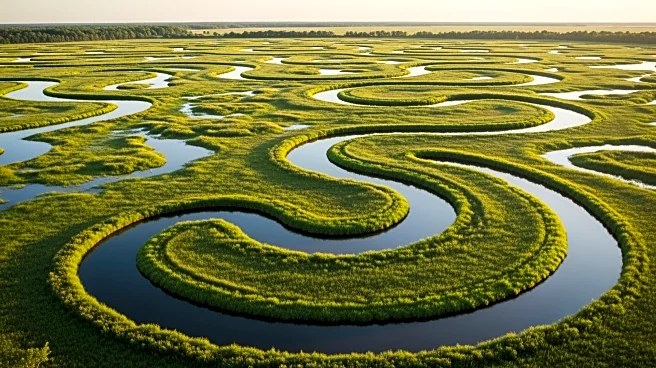

Everglades National Park, a vast expanse of protected wetlands in southern Florida, has a rich history that reflects the changing attitudes towards conservation and land use in the United States. Established
in 1947, the park was created to preserve a fragile ecosystem rather than a unique geographic feature, marking a significant shift in the purpose of national parks. This article explores the historical context and key events that led to the establishment of Everglades National Park.
Early History and Human Impact
The history of the Everglades is deeply intertwined with human activity. For thousands of years, indigenous peoples, including the Calusa and Tequesta tribes, lived in and around the Everglades, utilizing its resources for sustenance. However, the arrival of European settlers in the 19th century marked the beginning of significant changes to the landscape.
In the late 1800s, plans to drain the Everglades for agricultural and residential development began to take shape. Canals were constructed to control water flow, enabling the growth of the Miami metropolitan area. These efforts, while successful in promoting development, had detrimental effects on the natural ecosystems of the Everglades, leading to habitat loss and a decline in biodiversity.
The Push for Preservation
As the ecological impact of human activity became more apparent, a movement to preserve the Everglades gained momentum. In the early 20th century, naturalists and conservationists began advocating for the protection of the region. The establishment of Royal Palm State Park in 1916 marked the first step towards conservation, protecting a small portion of the Everglades.
The idea of a national park was first proposed in 1923, and by 1928, the Florida state legislature established the Tropical Everglades National Park Commission to study the feasibility of creating a protected area. The commission, led by conservationist Ernest F. Coe, faced challenges in securing funding and support, but their efforts laid the groundwork for the park's eventual establishment.
Establishment and Legacy
In 1934, the U.S. Congress authorized the creation of Everglades National Park, but it took another 13 years to secure the necessary land and resources. The park was officially dedicated on December 6, 1947, by President Harry Truman, marking a new era in conservation. Unlike other national parks, Everglades National Park was established to protect a unique ecosystem rather than a specific geographic feature.
Since its establishment, the park has faced numerous challenges, including habitat degradation, invasive species, and water management issues. Despite these challenges, Everglades National Park remains a symbol of the importance of preserving natural ecosystems. Its designation as a UNESCO World Heritage Site highlights its global significance and the ongoing need for conservation efforts to protect this unique and vital landscape.