





Hemp, a variety of Cannabis sativa, is cultivated for its industrial and consumable uses. Known for its rapid growth and versatility, hemp can be transformed into a wide array of products, ranging from textiles to biodegradable plastics. This article delves into the various applications of hemp, highlighting its significance in different industries and its potential as a sustainable resource.
Hemp in Textiles and Construction
Hemp has been used for thousands of years in the textile
industry, with its fibers being spun into usable materials as early as 50,000 years ago. The bast fibers of hemp are utilized in textiles, blended fabrics, and specialty papers. These fibers are also processed into composites for construction materials, such as hempcrete and fiber-reinforced insulation panels. Hemp's durability and strength make it an ideal choice for producing clothing, shoes, and accessories, often mixed with other materials like lyocell.
In the construction industry, hemp offers solutions to various challenges faced by traditional building materials. Its lightweight, mold-resistant, and breathable properties make hemp products versatile for multiple uses. Hemp-lime, or hempcrete, has been accepted as a building material by the International Code Council, promoting its expansion in the United States. Hemp construction materials are known for their sustainability, reducing energy consumption costs and secondary pollutants.
Hemp in Food and Nutrition
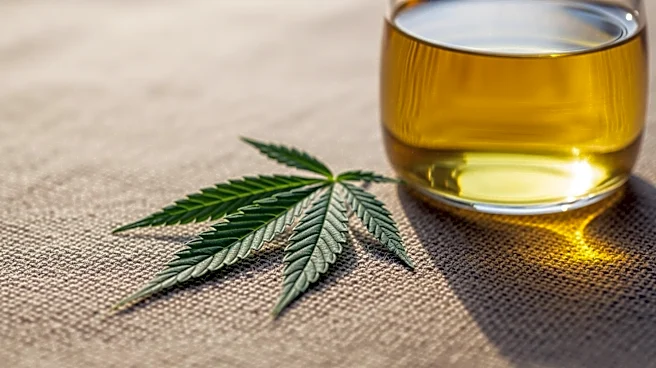
Hemp seeds are a rich source of nutrition, providing essential amino acids, unsaturated fatty acids, and dietary minerals. They can be consumed raw, ground into hemp meal, or made into hemp milk and tisanes. Hemp oil, cold-pressed from the seeds, is high in unsaturated fatty acids and used in cooking and nutritional supplements.
Hulled hemp seeds contain a significant amount of protein, making them comparable to other protein-rich foods like meat and soy. Despite their nutrient-rich profile, hemp seeds contain antinutritional compounds such as phytic acid and tannins. However, their overall nutritional value remains high, contributing to their popularity in health food stores.
Hemp as a Sustainable Resource
Hemp is considered environmentally friendly due to its minimal reliance on pesticides and herbicides. It is classified as a carbon-negative raw material, absorbing more carbon dioxide than other crops and most trees. Hemp's ability to suppress weed growth, prevent erosion, and reclaim soil makes it a valuable resource in sustainable agriculture.
The entire hemp plant can be utilized, reducing waste and promoting sustainability. Its short cropping period and low water requirements make hemp a favorable choice for cultivation compared to other fiber materials like cotton. As industries continue to seek sustainable alternatives, hemp's versatility and environmental benefits position it as a promising resource for the future.