


Allantoin is a chemical compound that has found its way into a variety of skincare and pharmaceutical products due to its beneficial properties. Known for its moisturizing, anti-inflammatory, and anti-aging effects, allantoin is a popular ingredient in cosmetics and health products. This article delves into the applications of allantoin in these industries, highlighting its significance and the reasons behind its widespread use.
Allantoin in Skincare
Allantoin is widely
used in skincare products for its ability to soothe and protect the skin. It acts as a humectant, drawing moisture into the skin and helping to keep it hydrated. This property makes it an excellent ingredient in moisturizers, lotions, and creams, especially those designed for dry or sensitive skin. Additionally, allantoin's anti-inflammatory properties help reduce redness and irritation, making it a valuable component in products aimed at calming the skin.
Manufacturers often include allantoin in formulations to counteract the drying effects of other ingredients, such as alcohols and sulfates. Its ability to promote cell proliferation and healing is another reason for its inclusion in skincare products. By encouraging the growth of new skin cells, allantoin helps improve the appearance of the skin, making it look fresher and more youthful.
Allantoin in Pharmaceuticals
Beyond skincare, allantoin is also utilized in various pharmaceutical products. Its antibacterial and exfoliating properties make it a useful ingredient in oral hygiene products like toothpaste and mouthwash. These properties help maintain oral health by reducing bacteria and promoting the removal of dead cells from the mouth's surface.
In addition to oral care, allantoin is found in shampoos, lipsticks, anti-acne products, and sun care formulations. Its ability to moisturize and protect the skin makes it a versatile ingredient in these products, providing benefits that extend beyond simple hydration. The compound's compatibility with other cosmetic raw materials ensures that it can be safely incorporated into a wide range of formulations.
The Science Behind Allantoin's Benefits
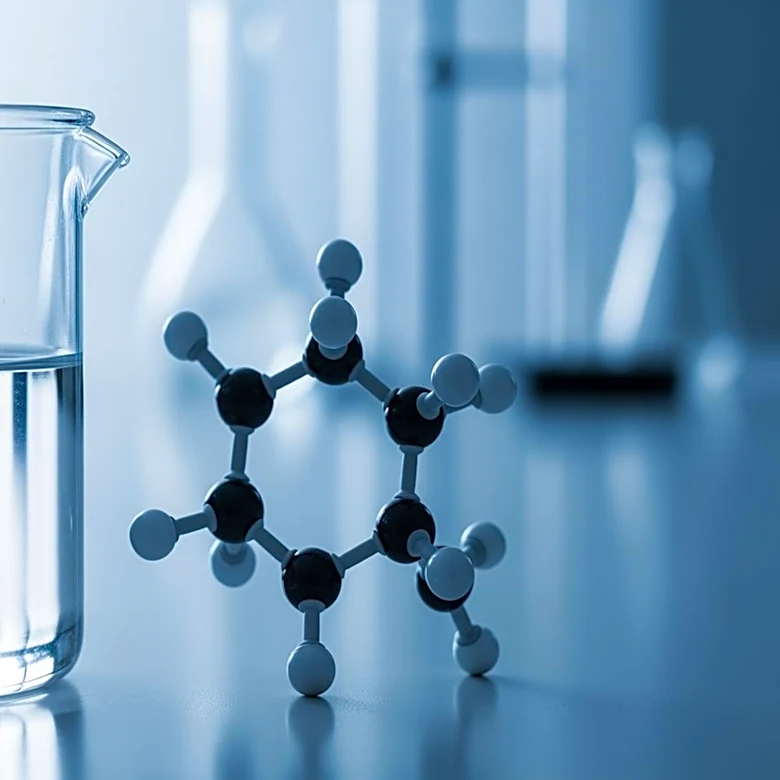
Allantoin's effectiveness in skincare and pharmaceuticals is backed by its chemical properties. As a diureide of glyoxylic acid, it is produced from uric acid by the action of urate oxidase. This process results in a compound that is safe, non-toxic, and compatible with various cosmetic and pharmaceutical ingredients.
The compound's ability to act as a biomarker of oxidative stress further underscores its importance. In humans, non-enzymatic processes involving reactive oxygen species can lead to the formation of allantoin, making it a useful indicator of oxidative stress in chronic illnesses and aging. This scientific basis for allantoin's benefits helps explain its popularity in products designed to improve health and appearance.