



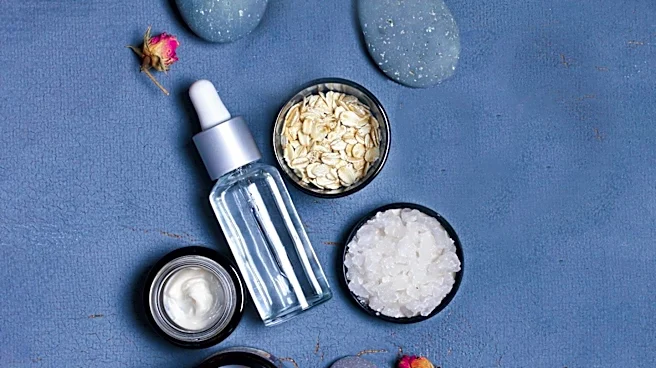

Aloe vera, a succulent plant species, is renowned for its medicinal and cosmetic applications. From soothing skin irritations to enhancing beauty products, Aloe vera has become a staple in health and beauty routines worldwide. This article explores the diverse uses of Aloe vera and its impact on health and beauty.
Medicinal Applications
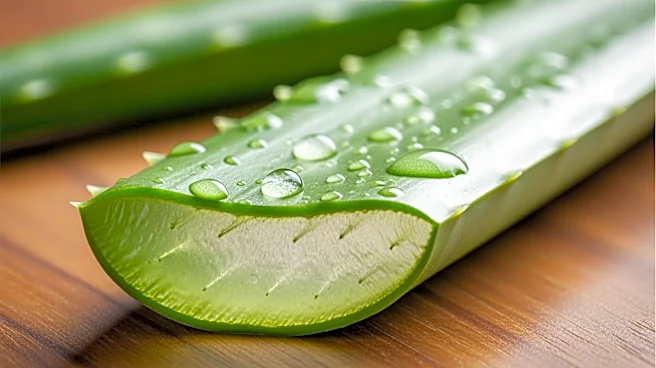
Aloe vera has been used for centuries as a topical treatment for various skin conditions. Its gel, rich in polysaccharides like acemannan,
is known for its soothing properties, making it ideal for treating minor burns, skin abrasions, insect bites, and windburn. The gel is often incorporated into lotions, ointments, and gels, providing relief for irritated skin.
Despite its benefits, Aloe vera should be used with caution. Oral ingestion of Aloe vera extracts can lead to acute abdominal pain and cramps, and chronic consumption may result in hepatitis. Pregnant individuals are advised against using Aloe vera due to potential risks. Additionally, some people may experience allergic reactions when using Aloe vera on their skin.
Cosmetic Applications
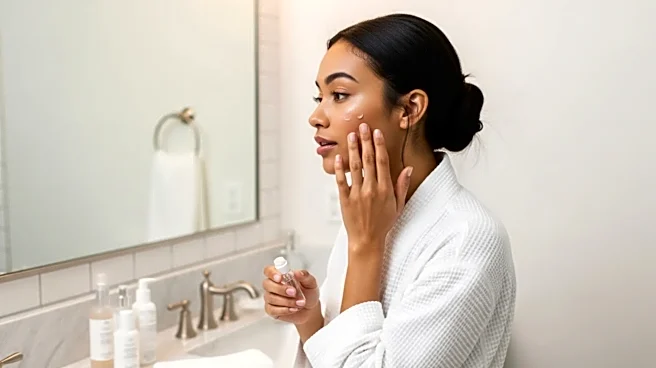
Aloe vera's cosmetic uses are vast, with its gel serving as a key ingredient in products like moisturizers, sunscreens, and shampoos. Its moisturizing emollient effect makes it a popular choice for cosmetic companies, who often add Aloe vera derivatives to enhance product efficacy.
The plant's gel is also used in facial tissues, where it acts as a moisturizer and anti-irritant, reducing chafing of the nose. Aloe vera's inclusion in hygiene products is due to its ability to hydrate and soothe the skin, making it a valuable addition to beauty routines.
Impact on Health and Beauty
Aloe vera's impact on health and beauty is significant, with its products widely used for their soothing and hydrating properties. However, the plant's journey has not been without challenges. The presence of aloin, a toxic compound, necessitates careful processing to ensure safety in cosmetic products.
While Aloe vera is generally safe for topical use, its oral ingestion can be toxic, leading to side effects such as abdominal pain and diarrhea. Despite these challenges, Aloe vera remains a symbol of natural healing, continuing to evolve and adapt to meet the needs of modern consumers.
In conclusion, Aloe vera's medicinal and cosmetic uses have made it a beloved plant in health and beauty routines. Its soothing properties and hydrating effects have cemented its place as a staple in products worldwide, showcasing its versatility and enduring appeal.