




Aviator sunglasses have become an iconic fashion accessory, but their origins are deeply rooted in practicality and innovation. Originally developed for military use, these sunglasses have undergone significant transformations in design and purpose over the decades. This article delves into the historical development of aviator sunglasses, highlighting key milestones and design changes that have shaped their evolution.
Origins and Military Use
Aviator sunglasses were first
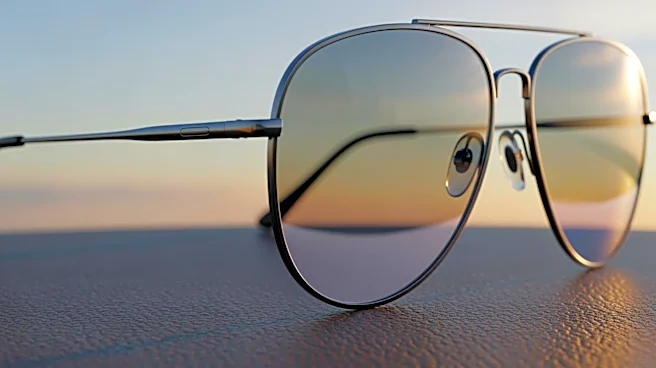
developed in the 1930s by a group of American firms, with the original design by Bausch & Lomb now marketed as Ray-Ban Aviators. These sunglasses were intended for military pilots, designed to be worn under headgear. The large, slightly convex lenses were crafted to cover the entire field of vision, significantly reducing transmitted visible light and protecting against ultraviolet radiation. The frames were made from thin metal, often monel, steel, or titanium, with double or triple bridges and bayonet earpieces for a secure fit.
The U.S. military first contracted aviator sunglasses in 1935, with the U.S. Army Air Corps D-1 sunglasses made by American Optical. These were later replaced by the AN6531 flying sunglasses in 1941, which were produced in large quantities for pilots and sailors. The lenses were initially green-tinted, transmitting 50% of visible daylight, but were later updated to a darker rose smoke tint for better protection against sun glare.
Post-War Commercialization
After World War II, aviator sunglasses became available to civilians, marking the beginning of their commercial history. Bausch & Lomb, in collaboration with Colonel John A. Macready, developed the first aviation sunglasses to reduce the distraction caused by the intense hues of the sky. The prototype, known as "Anti-Glare," featured plastic frames and green lenses, and was sold to the public in 1937. The sunglasses were redesigned with a metal frame in 1938 and marketed as Ray-Ban Aviators.
The popularity of aviator sunglasses soared when General Douglas MacArthur was photographed wearing them during World War II. This iconic image helped cement their status as a fashionable accessory. Over the years, aviators have been worn by numerous public figures, further boosting their appeal.
Modern Variations and Legacy
Today, aviator sunglasses are available in various styles and designs, catering to both functional and fashion-forward consumers. Ray-Ban has introduced several variations, including the Ray-Ban Shooter and Outdoorsman, each with unique features like brow bars and temple end pieces. The military continues to issue aviator sunglasses, with the HGU-4/P design being a standard for pilots and astronauts.
The legacy of aviator sunglasses is a testament to their timeless design and versatility. From their military origins to their status as a fashion staple, aviators have remained a popular choice for those seeking both style and protection. Their evolution reflects a blend of innovation and cultural influence, ensuring their place in the history of eyewear.