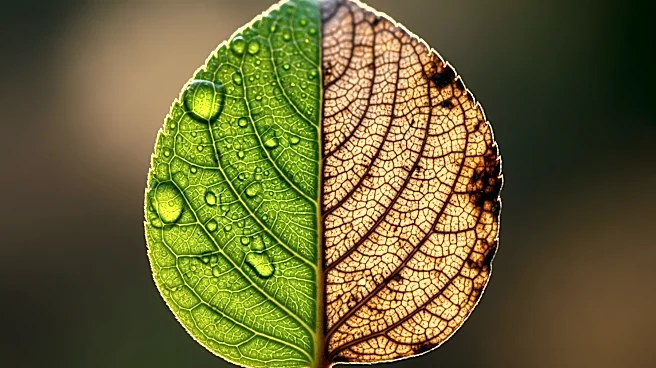

Skin aging is a complex process influenced by both internal and external factors. Intrinsic aging, also known as chronological aging, is driven by internal physiological changes, while extrinsic aging is primarily
caused by environmental factors. This article delves into the distinctions between these two types of skin aging, highlighting their unique characteristics and effects on the skin.
Intrinsic Aging: The Natural Process
Intrinsic aging is an inevitable process that occurs as we grow older. It is primarily influenced by internal physiological factors, such as declining cellular functions and reduced synthesis of collagen and elastin in the dermis. As the body ages, these changes lead to a gradual degeneration of the skin's structure, resulting in a loss of elasticity and firmness. Unlike extrinsic aging, intrinsic aging is not significantly affected by external environmental factors.
The effects of intrinsic aging are often subtle and gradual, manifesting as fine lines and wrinkles over time. This type of aging is characterized by a decrease in the skin's ability to repair itself, leading to a slower turnover of skin cells. As a result, the skin becomes thinner and more fragile, making it more susceptible to damage. While intrinsic aging is a natural part of the aging process, its impact can be exacerbated by genetic predispositions and overall health.
Extrinsic Aging: Environmental Influences
Extrinsic aging, often referred to as photoaging, is primarily caused by external factors such as ultraviolet (UV) radiation, cigarette smoking, and air pollution. Among these, UV radiation from sunlight is the most documented cause of extrinsic aging. Chronic exposure to UV light leads to photodamage, which includes changes beyond those associated with intrinsic aging alone. This type of damage is characterized by the emergence of neoplastic lesions and other skin abnormalities.
Extrinsic aging can significantly accelerate the aging process, leading to more pronounced signs such as deep wrinkles, pigmentation changes, and a rough skin texture. Unlike intrinsic aging, extrinsic aging is largely preventable through lifestyle choices and protective measures, such as using sunscreen and avoiding smoking. By minimizing exposure to harmful environmental factors, individuals can reduce the impact of extrinsic aging on their skin.
The Interplay Between Intrinsic and Extrinsic Aging
While intrinsic and extrinsic aging are distinct processes, they often interact and influence each other. For instance, the natural decline in collagen production associated with intrinsic aging can be further exacerbated by extrinsic factors like UV exposure. This interplay can lead to more severe signs of aging, highlighting the importance of addressing both internal and external influences.
Understanding the differences between intrinsic and extrinsic aging is crucial for developing effective skincare strategies. By recognizing the unique characteristics of each type of aging, individuals can tailor their skincare routines to address specific concerns and maintain healthier, more youthful-looking skin.