


Henna, scientifically known as Lawsonia inermis, is a remarkable plant renowned for its dyeing properties. This tall shrub or small tree has been used for centuries to produce a vibrant reddish-brown dye, primarily for body art and hair coloring. This article delves into the botanical characteristics of the henna plant and the unique properties that make it a sought-after dye.
Botanical Characteristics of Henna
Lawsonia inermis, commonly referred to as the henna tree, is a flowering
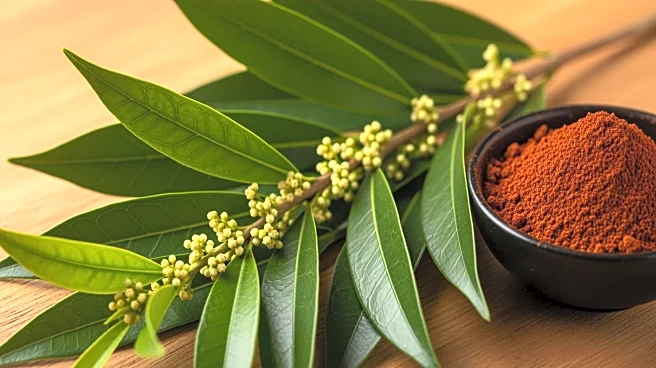
plant native to northern and eastern Africa, Asia, and northern Australia. It thrives in semi-arid zones and tropical areas, requiring temperatures between 35 and 45 °C for optimal dye production. The plant is glabrous and multi-branched, with spine-tipped branchlets and leaves that grow opposite each other on the stem.
The leaves of the henna plant are elliptical and lanceolate, tapering to a long point. Henna flowers are characterized by four sepals and a calyx tube, with white or red stamens found in pairs. The plant produces small, brownish capsules containing numerous seeds, which open irregularly into four splits. These botanical features contribute to the plant's ability to produce a potent dye, used for various applications.
The Dyeing Process and Properties
Henna's dyeing properties are derived from the dried leaves of the plant, which contain the active compound lawsone. When mashed into a paste, the lawsone migrates into the outer layer of the skin, binding to proteins and creating a stain. This process is facilitated by mixing the henna powder with liquids like water, lemon juice, or strong tea, depending on the tradition.
The dyeing process requires the paste to rest for a period to release the lawsone from the leaf matter. Essential oils with high levels of monoterpene alcohols, such as tea tree or lavender, enhance the skin stain characteristics. The resulting stain is initially orange but darkens to a deep reddish-brown over several days due to oxidation. This unique property makes henna a popular choice for temporary body art and hair dye.
Applications and Benefits
Henna is used to dye skin, hair, and fingernails, as well as fabrics like silk, wool, and leather. Its antifungal and antiseptic properties add to its appeal, making it a versatile choice for both cosmetic and medicinal applications. The dye is particularly effective on the soles and palms, where the skin is thickest, resulting in the darkest and most long-lasting stains.
The botanical marvel of henna and its dyeing properties continue to captivate people worldwide. Whether used for artistic expression or practical purposes, henna remains a cherished tradition, celebrated for its vibrant hues and cultural significance.