


Yellowstone National Park holds the distinction of being the world's first national park, a title it earned when President Ulysses S. Grant signed it into existence in 1872. This groundbreaking move marked the beginning of a new era in conservation, setting a precedent for the protection of natural wonders. The park's creation was driven by a desire to preserve its unique geothermal features and diverse wildlife, ensuring that future generations could
enjoy its beauty.
The Creation of a Landmark
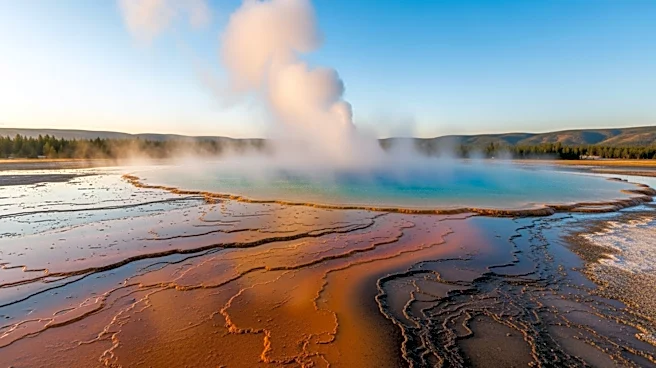
The establishment of Yellowstone National Park was a significant milestone in the history of conservation. In 1872, President Ulysses S. Grant signed the law that created the park, making it the first of its kind in the world. This decision was influenced by the park's extraordinary geothermal features, including geysers and hot springs, which were deemed worthy of preservation. The park's name is derived from the Yellowstone River, which flows through its vast expanse.
The creation of Yellowstone was not just about preserving its natural beauty; it was also about protecting its wildlife. The park is home to large animals such as grizzly bears, wolves, bison, and elk. These species, along with the park's unique geological features, contributed to its designation as a UNESCO World Heritage Site in 1978. This recognition further solidified Yellowstone's status as a global treasure.
Expansion and Protection Efforts
The park's boundaries have been a topic of discussion since its inception. Initially, the park covered a significant area, but there were proposals to expand it further. General Philip Sheridan suggested extending the park 40 miles to the east and 10 miles to the south. Although local opposition stalled these efforts, the idea of expanding the park's protection persisted.
In 1891, the Yellowstone Park Timber Land Reserve was established, marking the beginning of formal conservation efforts in the region. This reserve eventually evolved into the Yellowstone Forest Reserve, which played a crucial role in protecting the park's natural resources. The establishment of these reserves was a testament to the growing recognition of the importance of conservation.
The Legacy of Conservation
Yellowstone's creation set a precedent for the establishment of national parks worldwide. It demonstrated the value of preserving natural landscapes and wildlife for future generations. The park's designation as a UNESCO World Heritage Site in 1978 highlighted its global significance, recognizing its unique geology, natural beauty, and diverse ecosystems.
Today, Yellowstone continues to be a symbol of conservation, attracting millions of visitors each year. Its geysers, wildlife, and stunning landscapes serve as a reminder of the importance of protecting our natural heritage. The park's legacy lives on, inspiring efforts to preserve other natural wonders around the world.