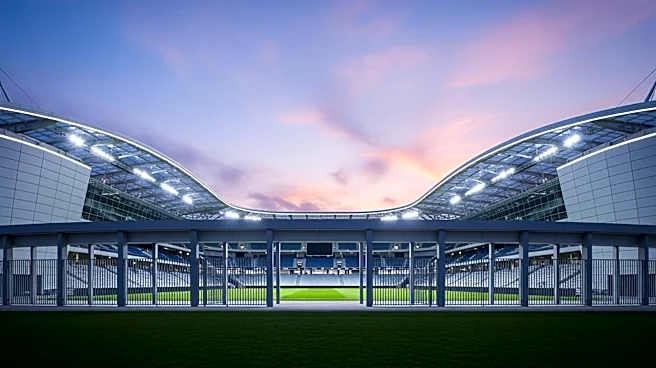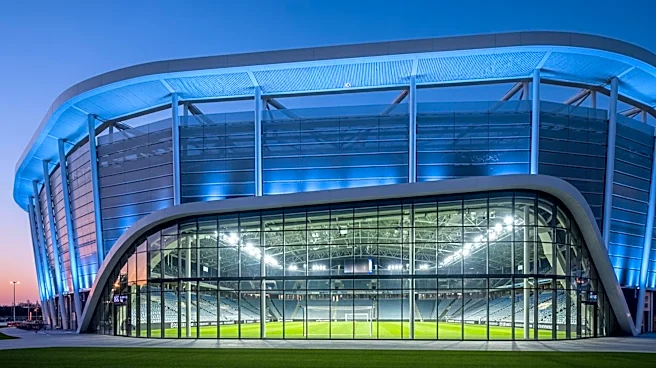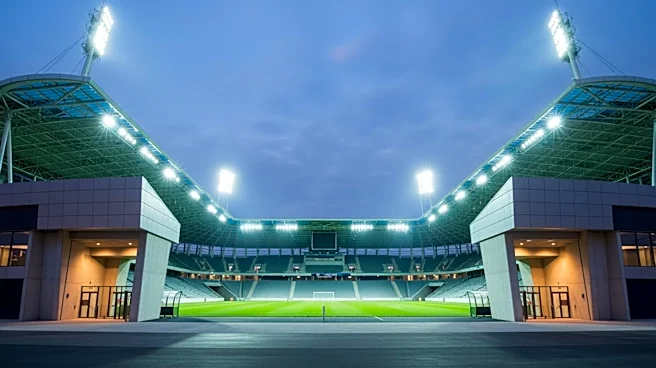






Ellis Park Stadium in Johannesburg, South Africa, played a significant role during the 2010 FIFA World Cup. Known for its rich history in sports, the stadium underwent substantial renovations to meet the demands of hosting such a prestigious event. This article delves into the preparations and the matches that took place at Ellis Park during the World Cup.
Renovations and Preparations
In anticipation of the 2010 FIFA World Cup, Ellis Park Stadium underwent extensive renovations.
The stadium's capacity was increased by 5,000 seats, bringing the total to 62,000. This expansion was focused on the northern side of the stadium, ensuring it could accommodate the large crowds expected for the World Cup matches. The renovations were not limited to seating; areas like the Presidential suite received a facelift, and new hospitality rooms and changing rooms were added. These improvements were part of a R500 million investment, completed in June 2008, two years before the World Cup.
The upgrades were essential for Ellis Park to meet the international standards required for hosting World Cup matches. The enhancements ensured that both players and spectators had a world-class experience. The stadium's modern facilities and increased capacity made it a prime location for several key matches during the tournament.
Matches Hosted at Ellis Park
Ellis Park Stadium was a bustling hub of activity during the 2010 FIFA World Cup, hosting five group games, one second-round game, and one quarter-final. These matches drew fans from around the world, eager to witness the excitement of the World Cup in person. The stadium's atmosphere was electric, with fans cheering passionately for their teams.
The matches at Ellis Park were part of a larger celebration of football, showcasing the talents of international teams and players. The stadium's role in the World Cup highlighted its importance as a premier sports venue in South Africa. The successful hosting of these matches demonstrated the effectiveness of the renovations and the stadium's ability to handle large-scale events.
Legacy of the 2010 FIFA World Cup
The 2010 FIFA World Cup left a lasting legacy on Ellis Park Stadium and Johannesburg. The event brought global attention to South Africa, showcasing its ability to host major international sporting events. The improvements made to Ellis Park for the World Cup have continued to benefit the stadium, allowing it to host a variety of events beyond football.
The World Cup also had a broader impact on the local community, boosting tourism and providing economic benefits. Ellis Park's role in the tournament is a testament to its significance in the world of sports, and the stadium remains a symbol of South Africa's sporting prowess and hospitality.