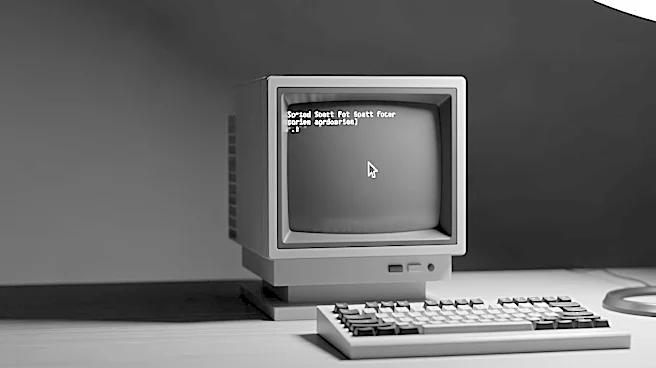

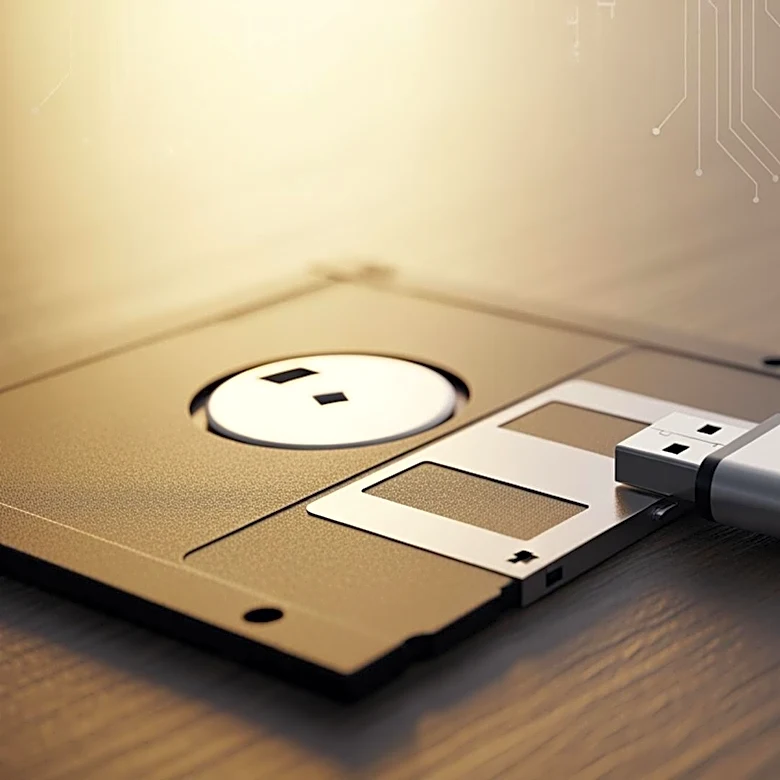



The DOS family of operating systems has had a profound impact on the development of personal computing. From its inception with IBM PC DOS to the widespread adoption of MS-DOS, DOS systems have shaped the way computers are used and understood. This article delves into the cultural and technological influence of DOS, highlighting its role in the evolution of personal computing.
The Cultural Significance of DOS
DOS systems, particularly MS-DOS, played a crucial role in popularizing
personal computers. The introduction of IBM PC DOS in 1981 marked a turning point, as it provided a standardized operating system for IBM PC compatibles. This standardization facilitated the growth of the personal computer market, making computers more accessible to businesses and home users alike.
The widespread adoption of MS-DOS contributed to the cultural shift towards personal computing. As more people gained access to computers, the demand for software and applications grew, leading to a vibrant ecosystem of developers and users. DOS systems became synonymous with personal computing, influencing the way people interacted with technology.
Technological Advancements and DOS
DOS systems were instrumental in driving technological advancements in computing. The modular structure of MS-DOS, which separated device driver code from the DOS kernel, allowed for customization and adaptation to different hardware configurations. This flexibility enabled the proliferation of IBM PC compatibles, as manufacturers could tailor the operating system to their specific needs.
The success of MS-DOS also spurred the development of competing DOS-compatible systems, such as DR-DOS and ROM-DOS. These systems introduced new features and enhancements, pushing the boundaries of what DOS could achieve. The competition among DOS systems fostered innovation, leading to improvements in performance, usability, and functionality.
The Legacy of DOS in Modern Computing
Although DOS systems have largely been replaced by more advanced operating systems, their legacy continues to influence modern computing. The principles of modularity, compatibility, and accessibility that defined DOS are still relevant today, shaping the design and development of contemporary operating systems.
FreeDOS, an open-source replacement for MS-DOS, exemplifies the enduring impact of DOS. By providing a free and accessible alternative, FreeDOS has kept the spirit of DOS alive, allowing developers and engineers to continue using DOS systems in embedded devices and specialized applications.
In conclusion, DOS systems have left an indelible mark on personal computing, shaping the way computers are used and understood. Their cultural and technological impact continues to resonate, influencing the evolution of computing in the modern era.