


Chakras, originally rooted in Hindu and Buddhist traditions, have found a place in modern Western occultism and New Age practices. This integration has led to a fusion of Eastern and Western spiritual concepts, creating a unique interpretation of chakras. This article examines how chakras have been adapted and transformed within Western spiritual frameworks.
Theosophical Influence and Early Adaptations
The integration of chakras into Western occultism began in the late 19th century, primarily
through the influence of Theosophists like H. P. Blavatsky. These early adaptations viewed chakras as esoteric energy centers, aligning them with Western mystical traditions.
Sir John Woodroffe's "The Serpent Power" further shaped Western perceptions of chakras, introducing the seven chakra system to a broader audience. This system was later expanded by Charles W. Leadbeater, who associated chakras with rainbow colors and various psychological attributes.
New Age Interpretations and Practices
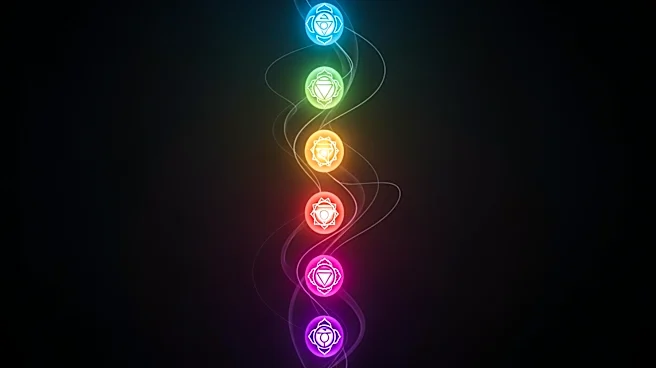
In the New Age movement, chakras are often visualized as colorful energy centers aligned along the spine. Each chakra is associated with specific physiological functions, aspects of consciousness, and classical elements, though these associations differ from traditional Indian systems.
New Age practices emphasize the chakras' role in maintaining spiritual, mental, emotional, and physical health. They are believed to vitalize the body by drawing in life energy, or prana, through pathways called nadi. This energy flow is thought to balance the body's spiritual and physical well-being.
The Dynamic Evolution of Chakra Systems
The Western adaptation of chakras reflects a dynamic evolution, blending traditional Eastern concepts with modern spiritual practices. This fusion has led to a diverse range of interpretations, from psychological attributes to associations with astrology, gemstones, and Tarot cards.
Despite the lack of scientific evidence supporting chakras, they remain a popular concept in Western spirituality. The integration of chakras into modern practices highlights the enduring appeal of these ancient energy centers, offering a bridge between Eastern and Western spiritual traditions.
As chakras continue to evolve within Western frameworks, they serve as a testament to the adaptability and universality of spiritual concepts, transcending cultural boundaries and enriching modern spiritual practices.